Table of Contents
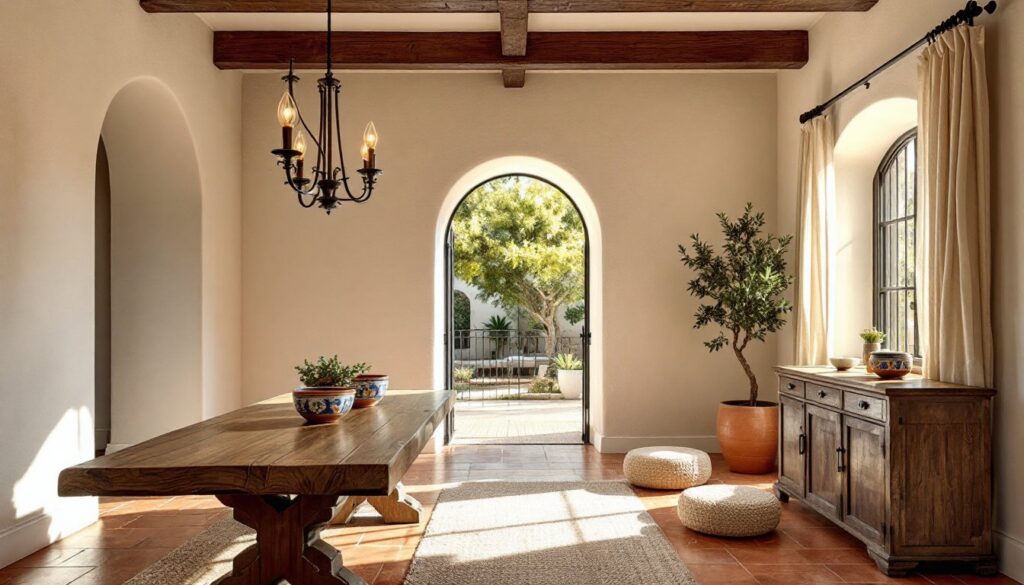
ToggleMediterranean Spanish interior design captures the sun-soaked warmth of coastal Spain, blending rustic textures with Old World craftsmanship. This style isn’t about perfection, it’s about character. Think hand-troweled plaster walls, wrought iron accents, and furniture that looks like it’s weathered decades of family gatherings. Unlike minimal Scandinavian or sleek modern styles, Mediterranean Spanish leans into imperfection: uneven terracotta tiles, visible wood grain, and walls that show the human hand behind them. For homeowners ready to trade sterile for soulful, this design language offers a proven blueprint rooted in centuries of architecture across Andalusia, Catalonia, and the Balearic Islands.
Key Takeaways
- Mediterranean Spanish interior design prioritizes authentic handcrafted materials and architectural features—textured plaster walls, terracotta tiles, and wrought iron—over decorative accessories that merely simulate the style.
- Permanent design elements like arched doorways, exposed wooden beams, and lime-washed walls form the foundation; layering furniture and ceramics afterward creates genuine character rather than a themed room.
- The Mediterranean Spanish color palette uses warm whites, earth tones, deep blues, and olive greens with darker wood finishes and oil-rubbed bronze hardware to reflect the region’s geology and coastal heritage.
- Flooring should feature authentic materials like hand-laid Saltillo tiles with natural color variation, wide-plank wood, or tumbled stone—all sealed appropriately and expected to age gracefully.
- Furniture and textiles emphasize natural fibers (linen, cotton, wool, jute) with visible joinery and matte finishes, while accessories remain restrained with functional ceramics and minimal wall art to avoid clutter.
- Successful Mediterranean Spanish design embraces imperfection—uneven plaster, varied tile color, and weathered surfaces—as intentional authenticity that distinguishes this style from sterile modern or Scandinavian aesthetics.
What Defines Mediterranean Spanish Interior Design?
Mediterranean Spanish interior design draws from the architectural heritage of southern Spain, where Moorish influences, Roman construction techniques, and coastal practicality converged. The style prioritizes natural materials, handcrafted details, and functional beauty over ornamental excess.
Key characteristics include thick stucco or plaster walls (often finished with hand-troweled texture), arched doorways and windows, and open floor plans that help airflow, a necessity in hot, dry climates. Exposed structural elements like ceiling beams and terracotta roof tiles become decorative features rather than hidden infrastructure.
Color choices reflect the landscape: earth tones from clay and stone, ocean blues, and sun-bleached whites. Surfaces show age gracefully. A plastered wall might have subtle imperfections: wooden furniture bears dents and patina. This isn’t shabby, it’s intentional. The aesthetic values authenticity over factory-fresh uniformity.
Unlike Italian or Greek Mediterranean styles, Spanish interiors incorporate more wrought iron (railings, light fixtures, window grilles) and darker wood tones. Moorish influence appears in geometric tile patterns, particularly in kitchens and bathrooms, and in horseshoe or pointed arches.
For homeowners attempting this style, the focus should be on permanent architectural features first, wall texture, flooring, built-ins, then layer in furniture and décor. Trying to achieve the look with accessories alone results in a themed room, not an authentic space.
Essential Color Palettes for Authentic Spanish Mediterranean Interiors
The Mediterranean Spanish palette draws directly from the region’s geology and vegetation. Walls typically use warm whites, creamy ivories, or pale ochres, not stark white, which reads too modern. These light base colors reflect heat and create contrast with darker wood and iron elements.
Accent colors include:
- Terracotta and rust: from clay roof tiles and pottery
- Deep blues: cobalt and azure, referencing ceramic traditions and coastal waters
- Olive green and sage: from the landscape’s dominant vegetation
- Burnt sienna and umber: earth pigments used in traditional plasters
Wood tones run darker than in Tuscan or Provençal styles. Expect walnut, chestnut, or dark oak rather than light pine. Exposed beams often retain natural color with a matte finish, no glossy polyurethane.
When painting walls, consider lime wash or mineral-based paints instead of standard latex. Lime wash creates subtle color variation and a chalky, matte finish that’s period-correct. It’s breathable, which matters in humid climates or if working with older plaster substrates. Application requires a masonry brush and builds up in thin coats, not a quick roller job, but the texture payoff is significant.
For trim and cabinetry, avoid bright white. Use off-white with warm undertones or leave wood natural. Iron hardware and fixtures should be oil-rubbed bronze or matte black, never polished chrome or nickel.
Key Materials and Textures That Bring the Style to Life
Material selection makes or breaks Mediterranean Spanish interiors. Prioritize natural, locally sourced (or locally sourced-looking) materials with visible texture.
Flooring options include:
- Terracotta tiles: Saltillo tiles (12″×12″ typical) offer authentic irregularity. They’re porous and require sealing, use a penetrating sealer rated for high-traffic areas. Expect variation in color and slight size differences: that’s correct, not defective.
- Natural stone: Travertine, limestone, or slate work in entryways and bathrooms. Honed or tumbled finishes, not polished.
- Wide-plank wood: If using wood, go with 8″+ width planks in darker species. Hand-scraped or wire-brushed textures add authenticity.
Wall treatments center on plaster. Standard drywall with flat paint won’t cut it. Options:
- Venetian plaster or tadelakt: Applied in thin layers with a trowel, burnished for subtle sheen. This is a skilled trade, hire a plasterer experienced in these techniques, or expect a learning curve and imperfect results.
- Textured stucco: Rougher than Venetian plaster, applied thicker. Can be tinted with natural pigments during mixing.
For DIYers, skip-trowel texture over drywall provides a budget alternative. Apply joint compound in random sweeps with a trowel, varying pressure. Let it dry, then paint with lime wash or flat latex.
Ironwork appears in light fixtures, stair railings, window grilles, and cabinet hardware. Look for hand-forged or hammered details, not machine-stamped reproductions. Wrought iron chandeliers with candelabra-style bulbs fit better than modern pendants.
Textiles use natural fibers: linen, cotton, wool, jute. Avoid synthetics. Rugs might be flatweave kilims in geometric patterns or natural fiber like sisal.
Architectural Elements and Decorative Features
Architectural details anchor the style and require more commitment than paint or furniture.
Arched openings replace standard rectangular doorways where structurally feasible. Consult a structural engineer before removing or altering wall framing, many interior walls are load-bearing. If framing a new arch, use steel lintels or laminated veneer lumber (LVL) sized for the span and load. Arch profiles can be rounded (Roman), slightly pointed (Moorish), or horseshoe-shaped.
Built-in niches (also called nichos) create display space in plaster walls. Frame them during construction or retrofit by cutting into non-structural drywall, adding blocking, and finishing with plaster. Typical size: 12″–18″ wide, 18″–24″ tall, 6″–8″ deep.
Decorative tile work appears as kitchen backsplashes, stair risers, or bathroom accents. Talavera tiles (hand-painted ceramic, often 4″×4″ or 6″×6″) offer authentic patterns. Installation follows standard tile methods, but grout lines should be narrow, 1/16″ to 1/8″, and grout color should be off-white or match the tile glaze, not contrast sharply.
Wood ceiling treatments include coffered ceilings or simple painted planks between exposed beams. For a coffered look, fur out the ceiling with 2×4 or 2×6 lumber in a grid pattern, infill with tongue-and-groove boards or drywall, then stain or paint.
Terracotta Tiles and Exposed Wooden Beams
Terracotta tiles remain the most recognizable flooring. Real Saltillo tiles are handmade clay, irregular in shape and color, expect 1/8″ to 1/4″ thickness variation. Install over concrete slab or cement backer board (minimum 1/2″ thick) on wood subfloors. Use modified thin-set mortar rated for natural stone.
Before installation, dry-lay tiles to check fit and sort by color if you want certain areas lighter or darker. After grouting (use sanded grout in earthy tones), seal with penetrating sealer, apply two coats, following manufacturer’s dry time. Reseal annually in high-traffic zones.
Exposed wooden beams (called vigas in Spanish) run across ceilings, either structural or decorative. Actual structural beams are typically 6×8 or larger solid timbers or engineered lumber if spanning long distances. Decorative beams are hollow boxes made from 1× lumber or foam replicas, acceptable if the room can’t support real timber weight, but foam looks fake up close.
To add decorative beams to an existing ceiling, locate ceiling joists with a stud finder, then attach 2× blocking perpendicular to joists where beams will sit. Build three-sided beam boxes from 1×6 or 1×8 pine or fir, stain dark, then screw to blocking from inside the box. Space beams 4′ to 6′ apart for typical rooms. Distress with a wire brush or chain for aged texture before staining.
Furniture Choices That Capture Mediterranean Spanish Charm
Furniture should feel substantial, handcrafted, and functional, not fragile or overly ornate. Spanish Mediterranean leans rustic, with visible joinery and minimal upholstery.
Wood furniture dominates: dining tables with thick plank tops, sideboards with wrought iron hardware, and benches instead of chairs. Look for mortise-and-tenon joinery, hand-planed surfaces, and decorative ironwork (hinges, corner brackets, nailhead trim). Finishes should be matte, oil, wax, or flat polyurethane, not high-gloss lacquer.
Upholstered pieces use natural linen or cotton in neutral tones. Sofas and chairs have exposed wooden frames, arms, legs, stretchers, not fully upholstered club chair styles. Cushions are firm, filled with down or foam, covered in solid colors or simple stripes.
Leather appears in chairs, ottomans, and cushions, preferably vegetable-tanned leather with natural patina, not shiny corrected-grain. It should look lived-in.
Avoid particle board, laminate, or anything that looks mass-produced. A solid wood piece with visible imperfections beats a perfect veneer reproduction.
Storage often incorporates Spanish colonial-style trunks (with metal straps and studs) or rustic cabinets with simple panel doors. Open shelving made from thick wood planks supported by wrought iron brackets works in kitchens and dining areas.
How to Style Your Space with Accessories and Textiles
Accessories complete the look but shouldn’t clutter. Mediterranean Spanish interiors show restraint, a few well-chosen objects, not shelves packed with décor.
Ceramics play a major role: hand-painted pottery, terracotta planters, and glazed serving bowls displayed on open shelves or in niches. Talavera or Andalusian-style patterns work well. Use them functionally, serving dishes, fruit bowls, not just as props.
Textiles add warmth without softening the rustic edge. Options include:
- Throw pillows in linen or cotton, solid earth tones or simple stripes
- Woven blankets in wool or cotton, draped over seating
- Curtains in linen, hung on wrought iron rods with simple rings, avoid fussy valances or sheers
- Area rugs in jute, sisal, or flatweave wool with geometric patterns
Avoid heavy drapery, ruffles, or overly decorative trims.
Lighting should include wrought iron chandeliers, lantern-style pendants, or sconces with amber or frosted glass. Use Edison-style bulbs or candelabra bulbs in warm white (2700K), not daylight tones.
Wall art is minimal: a large wrought iron mirror, a carved wooden panel, or a single piece of framed tile work. Avoid gallery walls or trendy prints.
Greenery fits naturally. Terracotta pots with olive trees, succulents, or herbs bring the landscape indoors. Use real plants, faux plants cheapen the aesthetic.
Safety note: When installing wall-mounted items (mirrors, shelves, sconces), use appropriate anchors. Plaster over lath requires toggle bolts or molly bolts: drywall needs anchors rated for the item’s weight. A wrought iron mirror can weigh 30+ pounds, use two anchors minimum, into studs if possible.
Layering is key. Start with architectural bones, add furniture, then accessories. Each layer should reference natural materials, handcrafted details, and the warm, imperfect aesthetic that defines Mediterranean Spanish design.