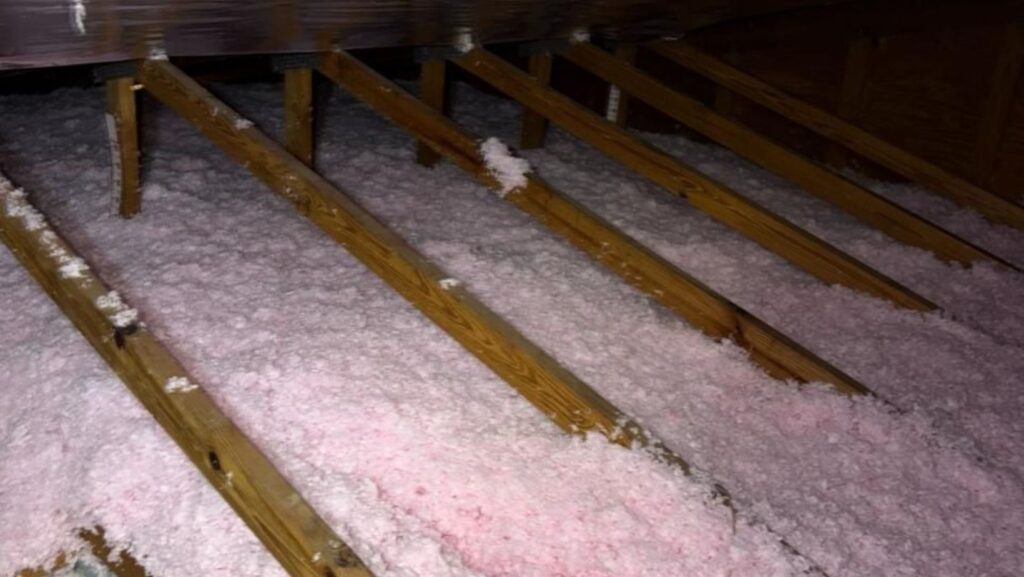
If your home constantly feels damp no matter how long the air conditioner runs, the problem may not be the HVAC system at all. In many South Florida houses, excessive indoor humidity begins in the attic. Poor insulation allows hot, moisture-heavy air to move through the structure, forcing cooling systems to work harder while indoor comfort continues to decline.
Many homeowners start searching for reliable attic insulation solutions only after energy bills rise or mold odors appear indoors. By that stage, attic moisture has often been affecting the property for years. Humid air entering through small gaps around ducts, vents, recessed lighting, or aging insulation materials creates an environment where heat and condensation become trapped above the ceiling.
Florida homes face unique environmental pressure. Long cooling seasons, tropical humidity, heavy storms, and intense UV exposure gradually weaken attic systems that were never designed for such constant moisture. Once insulation absorbs humidity or shifts out of place, indoor temperatures become harder to control. Some rooms remain warm throughout the day, while others develop a sticky, uncomfortable atmosphere despite continuous air conditioning.
🌡️ Why Humid Homes Often Point to Attic Problems
Indoor humidity is frequently mistaken for poor ventilation alone. In reality, attic insulation directly affects how much moisture enters the living space. When insulation deteriorates, warm attic air interacts more aggressively with conditioned indoor air, creating condensation and unstable temperatures inside the house.
Fiberglass insulation that becomes compressed or contaminated loses much of its thermal resistance. Gaps between insulation layers allow heat to radiate downward, especially during peak afternoon temperatures. In South Florida, attic spaces can easily exceed 120°F during summer months, turning poorly insulated homes into heat traps.
Another major issue comes from air leakage. Even small openings around plumbing penetrations, electrical wiring, or duct connections allow humid air to circulate through the attic structure. Over time, this contributes to moisture accumulation inside ceilings and wall cavities.
💧 Moisture Damage Often Starts Before Homeowners Notice It
Many attic-related humidity problems remain hidden until signs become impossible to ignore. Homeowners may notice musty smells, uneven cooling, or allergy symptoms without realizing the attic has already developed moisture-related contamination.
Common warning signs include:
- 🦠 Persistent mildew odors inside the home
- 💸 Rising energy bills during warm seasons
- 🌬️ Excess dust around vents and ceiling registers
- 🌡️ Rooms that stay warmer than the rest of the house
- 🏚️ Damp or discolored insulation materials in the attic
Humidity trapped inside insulation can also encourage microbial growth on wooden roof decking and structural framing. Once moisture settles into attic materials, air quality throughout the home often begins to decline.
🔥 Old Insulation Can Increase HVAC Strain
Cooling systems in humid climates already operate under significant stress. When attic insulation stops performing correctly, HVAC systems compensate by running longer cycles to maintain indoor temperatures.
This creates a chain reaction. Higher runtime increases electricity consumption, while constant airflow circulates more airborne particles throughout the house. Homes with aging or damaged insulation often develop noticeable temperature imbalances between floors or between rooms exposed to direct sunlight.
Older batt insulation is particularly vulnerable in humid environments because fiberglass does not prevent air movement by itself. Once humid air begins passing through the material repeatedly, insulation performance gradually weakens.
Modern attic upgrades focus not only on insulation thickness, but also on controlling airflow and moisture intrusion simultaneously.
🛠️ Which Insulation Materials Perform Better in Humid Climates
Not every insulation system reacts the same way to South Florida conditions. Material choice depends on attic ventilation, roof design, existing moisture exposure, and overall energy efficiency goals.
Several options are commonly used in humid regions:
- ✅ Blow-in insulation for filling gaps and irregular attic spaces
- ✅ Batt insulation for cost-effective thermal coverage
- ✅ Spray foam insulation for advanced air sealing and moisture resistance
- ✅ Radiant barrier systems that reduce attic heat transfer
Spray foam insulation has become increasingly popular because it limits both heat movement and humid air infiltration. However, batt and blow-in systems remain effective when installed with proper ventilation and air sealing strategies.
Professional inspections often reveal that humidity problems are caused by multiple overlapping issues rather than insulation alone.
🌬️ Air Ducts and Attic Humidity Are Closely Connected
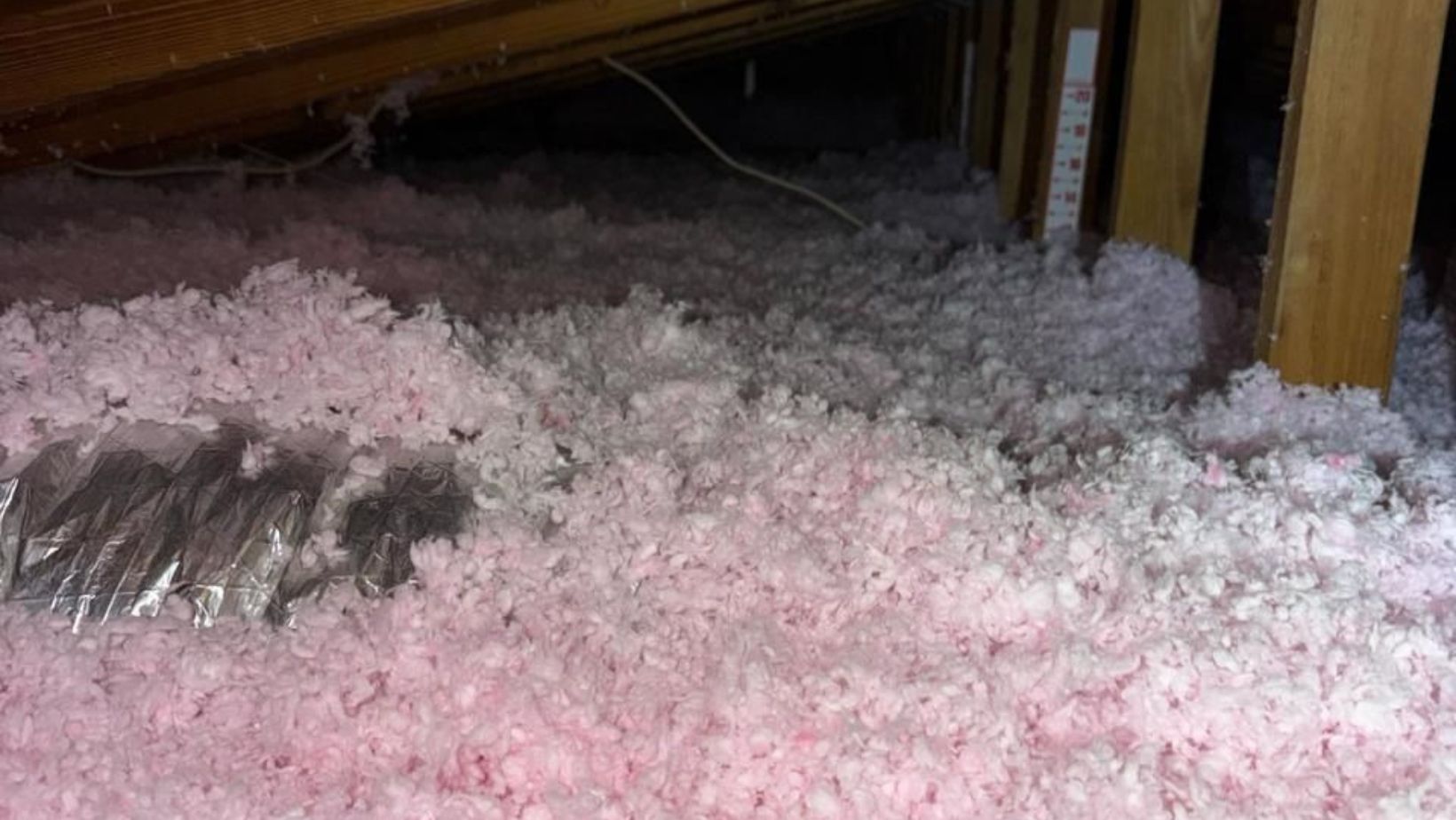
Leaky or dirty HVAC ducts frequently worsen indoor humidity problems. When cooled air escapes into a hot attic, condensation forms around duct surfaces and contributes additional moisture to the surrounding insulation.
Dust accumulation inside duct systems also affects airflow efficiency and indoor air quality. In humid climates, contaminated ducts may circulate allergens, mold spores, and moisture-related particles throughout the home.
Attic Fanatics USA provides insulation upgrades, attic sanitation, insulation removal, and duct cleaning services designed to improve both comfort and energy efficiency in South Florida properties.
🏡 Why Removing Old Insulation Matters Before Installing New Materials
One of the biggest mistakes homeowners make is installing fresh insulation over damaged material. Wet or contaminated insulation continues trapping moisture underneath the new layer, allowing odors and microbial growth to persist.
Professional insulation removal creates an opportunity to inspect hidden attic conditions before replacement begins. Roof leaks, pest contamination, condensation damage, and ventilation issues are often discovered during this stage.
Replacing insulation without addressing moisture sources usually leads to recurring humidity problems within a relatively short period of time.
🌴 Stable Indoor Comfort Requires More Than Lower Temperatures
A properly insulated attic does more than reduce cooling costs. It helps maintain balanced indoor humidity, improves airflow efficiency, and creates more stable temperatures throughout the house.
Homes exposed to South Florida’s climate need insulation systems capable of handling constant heat and moisture without deteriorating prematurely. Attic performance directly influences energy consumption, indoor air quality, and overall living comfort every day of the year.
Attic Fanatics USA
📍 Address: 5821 SW 21st St, West Park, FL 33023
📧 Email: [email protected]
📞 Phone: +1 (833) 381-1383