Table of Contents
ToggleInterior design has shifted from purely aesthetic pursuits to integrated, smart living solutions that balance form with function. DesignMode24 represents the current wave of design thinking, merging sustainable materials, adaptive technology, and human-centered spatial planning into cohesive residential and commercial projects. Unlike trend-driven decorating, this approach emphasizes durability, modularity, and environmental responsibility without sacrificing visual impact. Homeowners and DIY renovators can apply these principles at any scale, from a single room refresh to whole-home remodels, using readily available products and proven installation techniques.
Key Takeaways
- DesignMode24 interior design is a framework built on four pillars: adaptive functionality, integrated technology, sustainable sourcing, and biophilic elements that prioritize durability and flexibility over trend-driven aesthetics.
- Adopting DesignMode24 principles can reduce energy costs by 15–30% through better insulation, high-performance windows, LED lighting, and improved HVAC efficiency while increasing resale value with neutral, quality finishes.
- DIYers can implement DesignMode24 interiors through manageable steps including smart lighting upgrades, cohesive paint palettes, modular storage solutions, and biophilic elements like potted plants, while leaving structural and electrical work to licensed professionals.
- DesignMode24 spaces use neutral base palettes with swappable accent layers—removable wallpaper, plug-in pendant lights, and area rugs—allowing rooms to adapt from living spaces to home offices without major demolition.
- Low-maintenance materials such as porcelain tile, quartz countertops, engineered hardwood, and VOC-free paints deliver both visual impact and long-term functionality for residential and commercial projects at any scale.
What Is DesignMode24 Interior Design?
DesignMode24 isn’t a brand or proprietary system, it’s a design framework that gained traction in late 2024 and has matured through 2025 and into 2026. The concept revolves around four pillars: adaptive functionality (spaces that serve multiple uses), integrated technology (smart lighting, climate control, and voice-activated systems built into the architecture), sustainable sourcing (reclaimed wood, low-VOC paints, recycled metal fixtures), and biophilic elements (natural light, living walls, organic textures).
In practical terms, a DesignMode24 interior might feature LED panel lighting with adjustable color temperature embedded into drywall ceilings, modular cabinetry on European-style hinges for easy reconfiguration, and moisture-resistant luxury vinyl plank (LVP) flooring made from recycled content. The framework encourages designers and DIYers to prioritize lifecycle cost and adaptability, a living room today can become a home office tomorrow with minimal demo work.
This approach contrasts with fast-trend cycles. Instead of chasing seasonal palettes, DesignMode24 interiors rely on neutral foundational finishes (warm whites, soft grays, natural wood tones) with accent layers that can be swapped affordably. Think removable peel-and-stick wallpaper, track-mounted artwork rails, and plug-in pendant lights instead of hardwired fixtures.
Key Features and Design Philosophy
The philosophy behind DesignMode24 is rooted in pragmatic innovation. It’s less about magazine-cover drama and more about spaces that reduce friction in daily life. Key features include:
- Layered lighting schemes: Combining ambient (recessed cans on dimmers), task (under-cabinet LED strips), and accent (directional track heads) for flexibility.
- Neutral base palettes with tactical color: Walls in Sherwin-Williams Alabaster or Benjamin Moore Classic Gray, punctuated by removable elements like throw pillows, area rugs, and framed prints.
- Durable, low-maintenance materials: Quartz countertops instead of marble, porcelain tile that mimics natural stone, and semi-gloss or satin paint finishes in high-traffic zones for easier cleaning.
- Built-in storage solutions: Custom closet systems using 3/4-inch birch plywood and adjustable shelving brackets, maximizing vertical space without eating into square footage.
- Technology integration points: Conduit runs and low-voltage boxes installed during framing to accommodate future smart devices, USB outlets in walls, and Cat6 Ethernet drops for reliable connectivity.
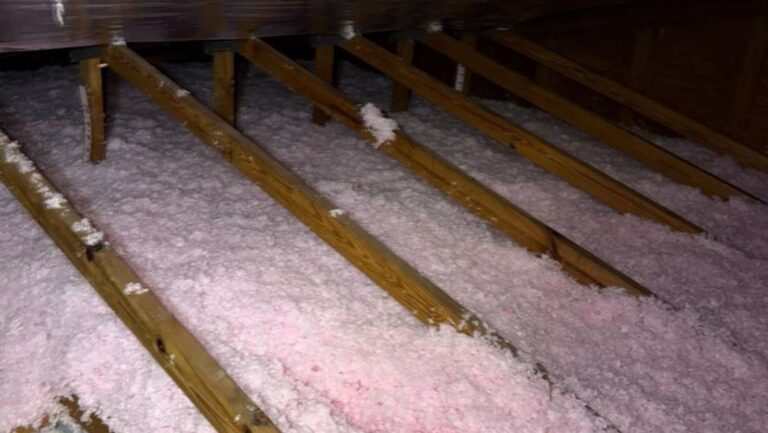
From a building science standpoint, DesignMode24 interiors often incorporate thermal break details at window installations, continuous insulation behind finish surfaces, and air sealing at penetrations, raising indoor comfort and lowering HVAC loads. These aren’t cosmetic choices: they’re structural upgrades that improve performance and resale value.
Safety and code compliance remain non-negotiable. Electrical work involving new circuits or panel upgrades requires a licensed electrician and inspections per NEC (National Electrical Code). Load-bearing wall removals demand engineer-stamped plans and permits under the IRC (International Residential Code). DIYers can handle finish carpentry, painting, and non-structural millwork, but structural and electrical modifications belong to the pros.
Popular DesignMode24 Interior Design Styles
Minimalist Modern
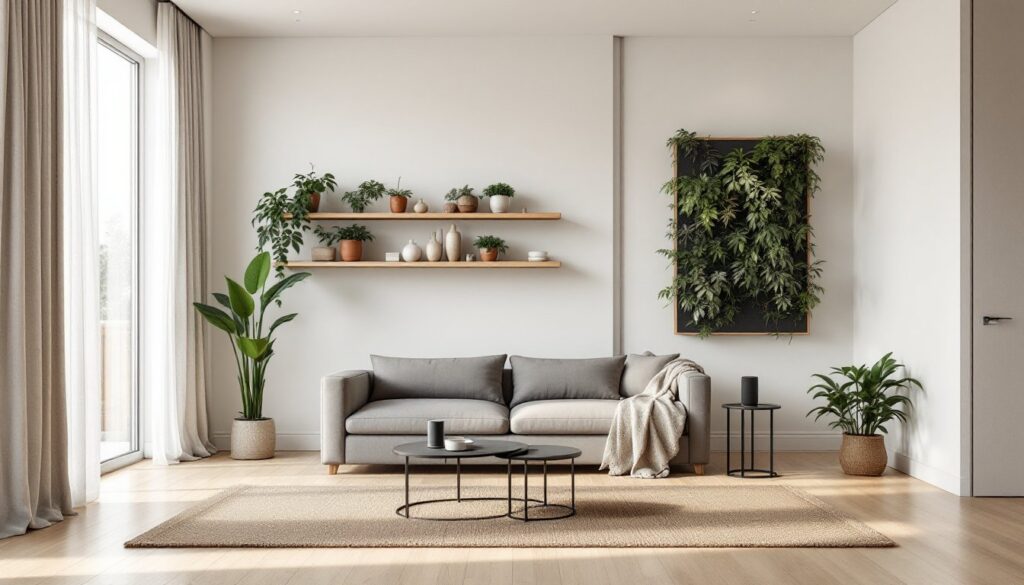
Minimalist Modern within the DesignMode24 framework strips away ornament but retains warmth through material choice and proportion. Walls are smooth, Level 5 drywall finish is standard, and trim is simple: 3½-inch flat-profile baseboards and 2¼-inch casing in MDF primed and painted semi-gloss white. Cabinetry uses slab-front doors (no raised panels or beading) in matte lacquer or thermofoil finishes, mounted on soft-close European hinges.
Flooring is typically wide-plank engineered hardwood (7-inch face width or greater) in light oak or pale ash, finished with hard-wax oil for a low-sheen, natural look. Color schemes stay within a 3-tone range: one dominant neutral (off-white, greige), one secondary (charcoal, slate), and one natural accent (raw wood, black metal).
Lighting is concealed where possible, recessed LED downlights with narrow beam angles, linear slot diffusers in ceilings, or cove lighting behind crown molding using LED strip tape. Hardware is minimal: integrated pulls routed into cabinet edges or simple stainless steel bar pulls. The goal is uncluttered sightlines and easy maintenance.
Biophilic and Sustainable Design
Biophilic design prioritizes connection to nature through materials, views, and living systems. In practice, this means maximizing south-facing window area (within thermal performance limits), installing low-E glazing to control solar heat gain, and using natural fiber window treatments like linen or jute.
Material choices favor FSC-certified hardwood, reclaimed barn siding for accent walls, cork flooring (a renewable resource with natural antimicrobial properties), and clay or lime-based plasters instead of conventional drywall compound. Countertops might be recycled glass aggregate or locally sourced soapstone.
Living walls, vertical gardens using modular felt pockets or hydroponic panels, are becoming accessible for DIY installation. They require a waterproof membrane behind the mounting surface (use RedGard or similar), a drip irrigation system on a timer, and supplemental full-spectrum LED grow lights if natural light is insufficient. Expect to invest in potting mix designed for vertical applications and select plants tolerant of indoor conditions (pothos, ferns, philodendron).
Color palettes pull from earth tones: terracotta, sage green, warm taupe, sand. Finishes are matte or flat to reduce glare and evoke natural surfaces. VOC-free paints (look for Green Seal or Greenguard Gold certification) improve indoor air quality, especially important in tightly sealed, energy-efficient homes.
How to Incorporate DesignMode24 Principles in Your Home
Start with a functional audit: which rooms underperform, where does clutter accumulate, and what tasks feel awkward? Prioritize projects that solve problems, not just cosmetic updates.
Step 1: Upgrade lighting control.
Replace standard switches with smart dimmers compatible with LED bulbs. Lutron Caseta and Leviton Decora are reliable options that don’t require a neutral wire in older boxes (check your setup first). Install plug-in smart bulbs in table lamps to extend control without rewiring.
Step 2: Repaint with a cohesive palette.
Choose a single white or near-white for all ceilings and trim to unify spaces. Use two or three wall colors max, one neutral for main areas, one accent for focal walls or smaller rooms. Primer is non-negotiable over old paint, stains, or fresh drywall: it ensures even coverage and adhesion. Plan on 350–400 square feet per gallon for quality latex paint at recommended coverage rates.
Step 3: Add modular storage.
Build or install adjustable shelving using 1×12 pine boards (actual dimensions ¾” × 11¼”) on heavy-duty shelf brackets rated for the load. In closets, use wire or laminate closet systems with adjustable hanging rods and shelf heights. Anchor all systems into wall studs (16″ or 24″ on center) using 3-inch wood screws or appropriate wall anchors for drywall-only attachment.
Step 4: Introduce biophilic elements.
Place potted plants on windowsills and shelves, snake plants, pothos, and ZZ plants tolerate low light and irregular watering. Install a water-resistant backsplash (porcelain subway tile, for example) if adding a living wall in a kitchen or bath. Use thin-set mortar and unsanded grout for tiles with tight joints.
Step 5: Integrate smart home tech gradually.
Start with a smart thermostat (Ecobee, Nest) and smart plugs for lamps and small appliances. Add motion-sensor switches in hallways and closets for hands-free operation. These are low-voltage or plug-and-play installations, no permits required in most jurisdictions.
Safety note: Always wear safety glasses when cutting, sanding, or drilling. Use a respirator mask rated N95 or better when sanding drywall or working with adhesives. Cut power at the breaker before working on any electrical device, even a switch.
Benefits of Choosing DesignMode24 for Your Interior Project
Adopting DesignMode24 principles delivers measurable advantages beyond aesthetics. Energy efficiency improves through better insulation details, high-performance windows, and LED lighting, reducing monthly utility bills by 15–30% in typical retrofits. Durability increases with material choices like porcelain tile (PEI rating 4 or 5 for high-traffic areas) and engineered hardwood that resists seasonal movement better than solid planks.
Flexibility is a core benefit. Modular furniture, adjustable shelving, and removable finishes let homeowners reconfigure spaces as needs evolve, home offices become nurseries, dining rooms convert to studios, without major demolition. This adaptability protects investment over time.
Healthier indoor environments result from low-VOC finishes, improved ventilation (many DesignMode24 projects add ERV or HRV systems for fresh air exchange), and biophilic design that reduces stress and improves cognitive function according to peer-reviewed studies.
Resale value benefits from neutral, high-quality finishes that appeal to broad buyer demographics. Potential buyers recognize engineered systems, quality materials, and flexible layouts, these aren’t trendy risks but safe, functional investments.
For DIYers, the framework offers a clear decision tree: invest in foundational upgrades (insulation, efficient HVAC, durable flooring) first, then layer in aesthetic and tech enhancements as budget allows. Track spending carefully, material costs vary widely by region and supplier, and lumber, sheet goods, and tile prices fluctuate with market conditions. Always order 10–15% extra material for cuts, waste, and future repairs.
DesignMode24 isn’t about chasing perfection or Instagram-ready staging. It’s about building spaces that work harder, last longer, and adapt to real life, whether that’s a growing family, a new work-from-home arrangement, or simply the desire for a home that feels intentional and well-made.