Table of Contents
ToggleSmall rooms don’t have to feel cramped. With the right design strategies, a 10×12 bedroom or a narrow living room can feel open, airy, and functional. Space interior design focuses on making the most of every square foot through deliberate furniture choices, color strategy, lighting adjustments, and clever visual tricks. It’s not about knocking down walls or adding square footage, it’s about using what’s already there more effectively. For DIYers tackling small apartments, bedrooms, or older homes with modest room dimensions, these techniques deliver real results without requiring structural changes or permits.
Key Takeaways
- Space interior design maximizes perceived and functional space through furniture selection, color strategy, lighting, and visual tricks without requiring structural changes or permits.
- Light-colored walls, monochromatic color schemes, and painting ceilings the same shade as walls create an open, cohesive feeling that makes rooms feel larger.
- Layered lighting with ambient, task, and accent sources eliminates shadows and adds depth, while large mirrors opposite windows bounce natural light to expand spatial perception.
- Multi-functional furniture with exposed legs and floating placement 12-18 inches from walls preserves traffic flow and creates an intentionally designed look in small spaces.
- Vertical storage, built-in shelving, and hidden storage solutions keep surfaces clutter-free while maintaining clean sight lines that enhance the perception of openness.
- Appropriately sized area rugs that anchor furniture groupings and glass or acrylic pieces that allow light to pass through prevent visual fragmentation in compact rooms.
What Is Space Interior Design and Why Does It Matter?
Space interior design is the practice of arranging and decorating interiors to maximize perceived and functional space. It combines layout planning, color theory, lighting design, and furniture selection to make rooms feel larger, brighter, and more usable.
Unlike traditional interior design, which may prioritize aesthetics or style trends, space design emphasizes efficiency and perception. The goal is to eliminate visual clutter, improve flow, and create sight lines that draw the eye through the room rather than stopping it at walls or bulky furniture.
This approach matters because most homeowners, especially in urban areas or older construction, work with rooms that weren’t designed for modern living. A 1950s ranch house might have a 120-square-foot living room that needs to serve as a TV area, workspace, and play zone. Thoughtful space design lets occupants use those square feet without feeling boxed in.
It also impacts resale value. Rooms that photograph well and feel open during showings command higher offers. Real estate agents consistently report that staged homes with good spatial flow sell faster and for 5–10% more than unstaged counterparts.
Strategic Furniture Selection and Placement
Furniture that’s too large or poorly placed is the fastest way to shrink a room. The fix involves choosing pieces with the right proportions and positioning them to preserve traffic flow and sight lines.
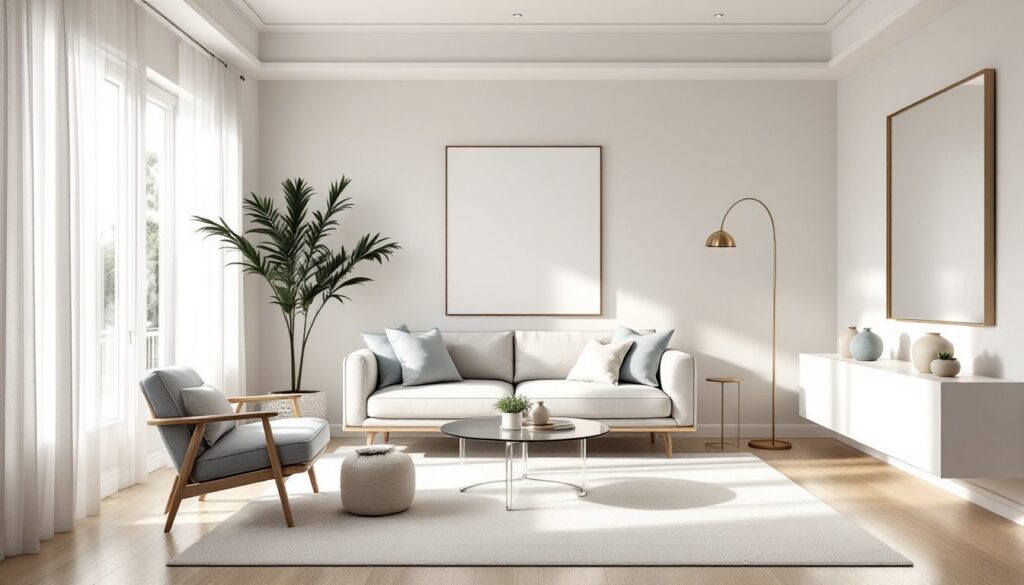
Scale matters. In a small living room, a sectional sofa that spans two walls creates a visual barrier. A 72-inch loveseat paired with a pair of armless accent chairs opens up the center and allows movement around the perimeter. Look for furniture with exposed legs, raised bases create the illusion of more floor space by letting light pass underneath.
Multi-functional pieces save space without sacrificing utility. An ottoman with hidden storage, a Murphy bed that folds into a wall cabinet, or a dining table with a drop-leaf design all reduce footprint. For bedrooms, platform beds with built-in drawers eliminate the need for a separate dresser.
Placement strategy: Float furniture away from walls when possible. A sofa pulled 12–18 inches from the wall with a narrow console table behind it adds dimension and makes the room feel intentionally designed rather than cramped. Avoid blocking windows or doorways, keep at least 30 inches of clearance for walkways.
For tight spaces, armless or low-profile seating reduces visual bulk. A bench-style dining seat takes up less visual real estate than four individual chairs with high backs.
Color Schemes That Expand Your Space
Color directly influences how large or small a room feels. Light, cool tones recede visually, while dark, warm tones advance and enclose.
Light neutrals remain the gold standard for small spaces. Shades like SW Alabaster, BM White Dove, or Behr Swiss Coffee reflect maximum light and create a seamless backdrop. For a slightly warmer feel, soft greiges (gray-beige blends) like SW Repose Gray work well in north-facing rooms.
Paint the ceiling the same color as the walls, or go one shade lighter. This eliminates visual breaks and makes the ceiling seem higher. Avoid stark white ceilings with colored walls: the contrast chops up the room.
Monochromatic schemes (varying shades of the same color) blur boundaries between surfaces. A living room done in layers of soft blues, pale blue walls, medium blue sofa, navy accent pillows, feels cohesive and open.
For accent walls, skip the dark feature wall trend. Instead, use the longest wall for a slightly deeper shade of the base color. This draws the eye horizontally and elongates the room.
Avoid high-contrast patterns on walls or large furniture. Busy florals, bold stripes, or geometric wallpaper can overwhelm a small room. Save pattern for smaller accessories like throw pillows or a single area rug.
Lighting Techniques to Open Up Any Room
Poor lighting makes even large rooms feel cave-like. Small spaces need layered lighting, a combination of ambient, task, and accent sources, to eliminate shadows and create depth.
Ambient lighting provides overall illumination. Swap out builder-grade flush-mount ceiling fixtures for semi-flush or recessed LED cans. Recessed lights (4-inch or 6-inch housings) keep the ceiling plane clean and uncluttered. Space them roughly 4–6 feet apart for even coverage. Use 3000K daylight bulbs to mimic natural light.
Task lighting focuses on specific activities. In kitchens, under-cabinet LED strips eliminate countertop shadows. In living rooms, adjustable floor lamps or swing-arm wall sconces provide reading light without taking up table space.
Accent lighting highlights features and adds dimension. Picture lights above artwork, LED tape behind floating shelves, or uplighting in corners draw the eye upward and outward, making walls seem farther away.
Maximize natural light. Replace heavy drapes with sheer linen panels or cellular shades that mount inside the window frame. Keep window treatments in the same color family as the walls to avoid visual breaks. If privacy allows, skip window treatments entirely on upper-sash windows.
For basement or windowless rooms, consider installing a tubular skylight (like a Solatube). These run a reflective tube from the roof to the ceiling, delivering natural daylight without cutting joists or major framing work. Prices run $300–600 for DIY kits.
Smart Storage Solutions for Maximum Space Efficiency
Clutter kills the illusion of space. Effective storage keeps surfaces clear and maintains clean sight lines.
Vertical storage capitalizes on unused wall height. Install floor-to-ceiling shelving using wall-mounted standards and brackets. This draws the eye up and provides more storage per square foot than waist-high furniture. In closets, add a second hanging rod to double capacity.
Built-ins maximize awkward spaces. A custom shelving unit in a narrow alcove, a window seat with lift-top storage, or a bookcase flanking a doorway all use dead space productively. For DIYers comfortable with basic carpentry, a built-in can be framed with 2×2 or 2×4 studs, sheathed with ½-inch plywood, and faced with trim for a finished look.
Hidden storage reduces visual clutter. Ottomans, coffee tables with drawers, and beds with hydraulic lift mechanisms keep items accessible but out of sight. In kitchens, pull-out pantry cabinets (typically 12–18 inches wide) fit between appliances and hold significant dry goods.
Open shelving works if kept minimal and organized. Floating shelves (made from ¾-inch hardwood or MDF mounted on heavy-duty brackets) provide display space without the bulk of cabinets. Limit items to a curated selection, three to five objects per shelf, and stick to a unified color palette.
For small entryways, wall-mounted hooks or a narrow hall tree (under 12 inches deep) keeps coats and bags off chairs and floors.
Mirrors, Patterns, and Visual Tricks That Add Depth
Mirrors are the most powerful tool for expanding space. A well-placed mirror reflects light and creates the illusion of an additional window or opening.
Hang a large mirror (at least 30×40 inches) opposite a window to bounce natural light deeper into the room. In narrow hallways, a floor-to-ceiling mirror on one side visually doubles the width. Avoid mirrors facing cluttered areas, they’ll just reflect the mess.
Mirrored furniture (like a mirrored console or side table) works in small doses but can feel dated if overused. Stick to one or two pieces max.
Vertical patterns draw the eye upward. Vertical shiplap, board-and-batten wainscoting, or striped wallpaper makes ceilings appear higher. For a DIY shiplap project, 1×6 pine boards with a nickel-width gap create clean lines. Install horizontally for width, vertically for height.
Glossy finishes reflect more light than matte. Consider satin or semi-gloss paint on trim and doors in small rooms. High-gloss can feel too slick for walls but works beautifully on ceilings to create a “fifth wall” effect.
Glass and acrylic furniture takes up physical space but not visual space. A glass coffee table, acrylic dining chairs, or a lucite desk let light pass through and maintain sight lines.
Rugs should be appropriately sized. In living rooms, the front legs of all furniture should rest on the rug, this unifies the space. A too-small rug (like a 5×7 in a 12×14 room) chops the floor into segments and makes the room feel smaller.
Conclusion
Making a small room feel spacious doesn’t require demolition or an architect. It requires intentional choices, furniture that fits the scale, colors that reflect light, layered lighting that eliminates shadows, storage that clears surfaces, and visual tricks that guide the eye. Most of these strategies are well within DIY capability and deliver immediate, noticeable results. Start with one room, apply these principles, and the difference will be obvious.