Table of Contents
ToggleInterior design isn’t just about filling rooms with furniture, it’s about creating functional, beautiful spaces that reflect personality and solve everyday problems. Whether someone’s looking to refresh a single room or tackle a whole-house renovation, understanding core design principles makes the difference between a space that feels “off” and one that genuinely works. Many homeowners assume good design requires a professional’s eye or a big budget, but that’s not the case. With the right knowledge and a bit of practice, anyone can develop the skills to design interiors that look intentional and feel right. This guide breaks down practical strategies to improve interior design abilities, from mastering foundational concepts to choosing pieces that elevate a space.
Key Takeaways
- Master core interior design principles—balance, proportion, rhythm, emphasis, and harmony—to create cohesive spaces that look intentional and intentional rather than staged.
- Develop a personal design style by studying spaces that resonate, understanding why interior design matters to you, and creating a design brief that outlines function, mood, and practical constraints.
- Measure your space carefully and plan furniture layout before purchasing, respecting clearances for walkways (36 inches), seating (14-18 inches), and dining areas (36-42 inches) to ensure functionality.
- Use the 60-30-10 color rule, layer textures strategically, and test paint samples at different times of day to create balanced, inviting interiors with depth and visual interest.
- Invest in quality foundational pieces like sofas and dining tables with hardwood frames and proper joinery rather than buying matching sets, and layer three types of lighting—ambient, task, and accent—for flexibility.
- Start with small, manageable projects to build confidence, document your process with photos, study professional design decisions, and embrace iteration as part of the design process rather than a sign of failure.
Understand the Core Principles of Interior Design
Good interior design rests on timeless principles that professionals use as their foundation. Knowing these rules, and when to break them, separates amateur attempts from confident, cohesive results.
Balance ensures visual weight distributes evenly across a room. Symmetrical balance (matching nightstands flanking a bed) feels formal and stable. Asymmetrical balance (a sofa on one side, two chairs on the other) creates energy while maintaining equilibrium. Radial balance arranges elements around a central focal point, like chairs circling a round dining table.
Proportion and scale determine how objects relate to each other and the room. A sectional sofa that fits perfectly in a 20×20 family room will overwhelm a 12×14 space. Furniture height matters too, coffee tables typically sit 16-18 inches high, about two-thirds the height of standard sofa seat cushions (18-20 inches).
Rhythm guides the eye through a space using repetition, progression, or transition. Repeating a navy accent across pillows, artwork frames, and a throw blanket creates visual rhythm. Progression might involve gradually sizing up picture frames along a gallery wall.
Emphasis establishes focal points, the fireplace, a statement light fixture, an accent wall. Every room needs one dominant feature: too many competing focal points create visual chaos.
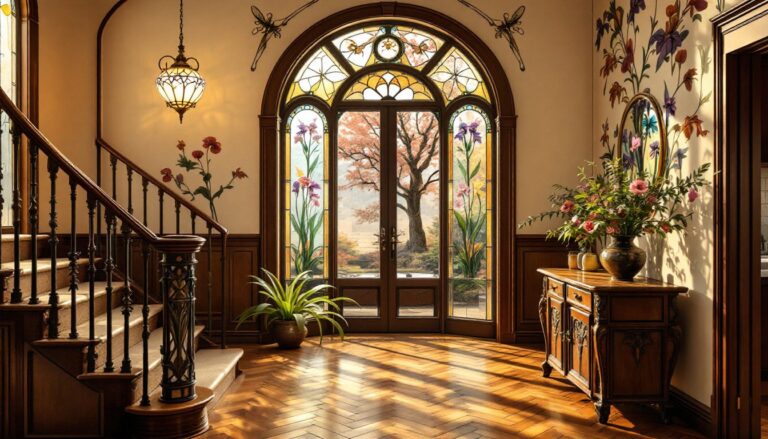
Harmony and unity tie everything together through consistent style, color palette, or material choices. If the living room features warm oak tones and brass hardware, carrying those elements into adjacent spaces creates flow.
Develop Your Personal Design Style and Vision
Defining a clear design direction prevents the “catalog showroom” look where nothing connects. Personal style evolves through observation, experimentation, and honest assessment of what actually works for daily life.
Start by studying existing spaces that resonate. Save images, but go deeper than surface aesthetics, identify specific elements that appeal. Is it the clean lines of mid-century furniture? The layered textures in a bohemian bedroom? The crisp contrast of modern farmhouse? Look for patterns across saved images to spot recurring themes.
Understanding why interior design is interesting helps refine this vision. Design intersects architecture, psychology, art, and practical problem-solving. It’s interesting because it impacts mood, productivity, and how people interact with their homes. Someone drawn to minimalism might value calm and order: another person energized by maximalist spaces might prioritize self-expression and storytelling through collections.
Create a design brief for each project, even informal ones:
- Primary function of the space
- Who uses it and how
- Desired mood or feeling
- Practical constraints (budget, timeline, existing architecture)
- Non-negotiable elements (pet-friendly fabrics, adequate storage)
Avoid chasing trends without considering longevity. Shiplap and chevron had their moments: some trend-driven choices age poorly. Blend timeless foundations with a few current touches that can be swapped out easily, pillows, art, lighting.
Mintpaldecor and similar resources offer inspiration, but copying a look wholesale rarely works. Homes have different proportions, light conditions, and functional needs. Extract concepts and adapt them.
Master Space Planning and Functionality
Pretty doesn’t matter if a space doesn’t work. Effective space planning accounts for traffic flow, furniture clearances, and real-world use before selecting a single paint color.
Measure everything. Room dimensions, ceiling height, window placement, door swing radius. Use an actual measuring tape, not guesswork. Note locations of outlets, switches, HVAC vents, and radiators, these affect furniture placement.
Respect minimum clearances:
- Walkways: 36 inches minimum for primary paths: 24 inches for secondary routes
- Seating areas: 14-18 inches between coffee table and sofa for legroom
- Dining: 36-42 inches from table edge to wall for chair pullout and passage
- Kitchen work triangle: 4-9 feet between sink, stove, and refrigerator
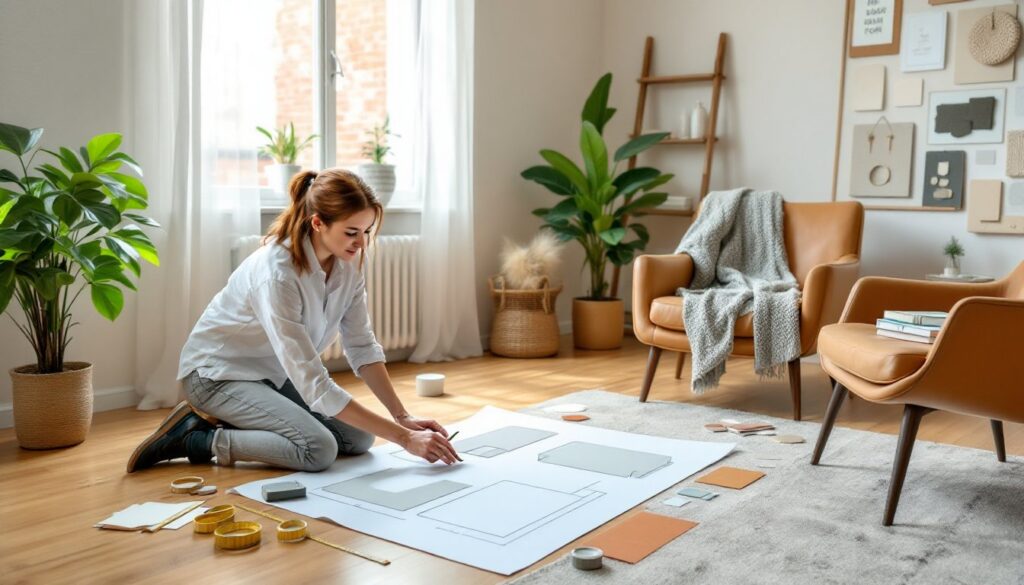
Create a floor plan to scale before buying furniture. Graph paper works (¼ inch = 1 foot is standard), or use free tools like Floorplanner or RoomSketcher. Cut out scaled furniture templates to test arrangements. This prevents the expensive mistake of a sofa that physically fits but kills the room’s flow.
Consider electrical and lighting needs early. Adding floor outlets in a living room requires cutting into flooring and possibly running new circuits, not a simple DIY. If a project involves moving or adding outlets, check local electrical codes and permit requirements. NEC (National Electrical Code) has specific spacing rules for receptacles.
Zone multi-function spaces with furniture arrangement or area rugs. In an open-plan layout, orient the sofa perpendicular to the kitchen to define the living zone. A rug anchors the seating area visually and physically.
Always plan for adequate storage. Built-ins, closet systems, or multifunctional furniture (ottomans with hidden storage, platform beds with drawers) reduce clutter that undermines even beautiful design.
Learn to Work with Color, Texture, and Patterns
Color psychology and material layering create mood and depth. Mastering these elements transforms flat, one-dimensional rooms into rich, inviting spaces.
Color basics: Start with the 60-30-10 rule. Sixty percent of the room is the dominant color (usually walls), 30% is secondary (upholstery, curtains), and 10% is accent (pillows, art, accessories). This creates balance without monotony.
Understand undertones. A “white” paint might lean warm (cream, beige undertones) or cool (gray, blue undertones). In north-facing rooms with limited natural light, warm undertones prevent a dingy appearance. South-facing rooms handle cooler tones well.
Test paint samples on multiple walls and observe them at different times of day. Artificial lighting shifts color perception, LEDs with different Kelvin ratings (warm 2700K vs. cool 5000K) dramatically affect how paint reads.
Texture adds dimension without color. Combine smooth (glass, lacquer), rough (jute, brick), soft (velvet, linen), and hard (metal, wood) surfaces. A room with all smooth surfaces feels sterile: all rough feels chaotic. Mix deliberately.
Layering textiles improves comfort and visual interest:
- Linen curtains over sheer panels
- A chunky knit throw over a leather sofa
- Layered rugs (smaller patterned rug over larger neutral)
Pattern mixing intimidates many DIYers, but follows simple guidelines. Vary scale, pair large-scale florals with small geometric prints. Repeat one or two colors across different patterns to unify them. Limit to three patterns per space unless highly experienced.
Neutral patterns (stripes, subtle geometrics) are safer starting points than bold florals or busy prints. Introduce pattern through easily changed elements like pillows or removable wallpaper before committing to a patterned sofa.
Choose the Right Furniture and Decor Pieces
Strategic furniture and decor selection elevates a space from functional to finished. Quality, proportion, and intentionality matter more than quantity.
Invest in foundational pieces. Sofas, dining tables, and beds get daily use, cheap construction fails quickly. Look for hardwood frames (not particleboard), eight-way hand-tied springs in upholstery, and dovetail joinery in drawers. These aren’t visible features, but they determine longevity.
Don’t buy sets. Matching bedroom or living room suites look staged and lack personality. Mix pieces with common threads, similar wood tones, complementary styles, or shared finishes.
Scale furniture to the room. In smaller spaces, choose pieces with exposed legs (raising furniture off the floor creates visual lightness). Avoid overstuffed arms and bulky skirts that add visual weight. A 76-inch sofa often works better than a 90-inch sectional in a modest living room.
Multi-functional furniture maximizes flexibility: extendable dining tables, sleeper sofas for guest rooms, nesting tables that expand when needed.
Curate decor intentionally. Every item should serve a purpose, functional, aesthetic, or sentimental. Too many decorative objects create clutter and dilute impact.
Lighting deserves special attention. Layer three types:
- Ambient: Overhead fixtures, recessed cans (general illumination)
- Task: Desk lamps, under-cabinet strips, reading lights
- Accent: Picture lights, uplighting, decorative sconces
Dimmer switches add flexibility and ambiance, a straightforward DIY for anyone comfortable with basic electrical work (turn off the circuit breaker first).
Art and mirrors expand perceived space and add personality. Hang artwork at eye level (center point 57-60 inches from the floor). Oversized mirrors reflect light and views, making rooms feel larger, position across from windows for maximum effect.
Practice and Refine Your Design Skills
Improvement comes through deliberate practice and learning from both successes and mistakes. Design skills develop over time, not overnight.
Start small. Redesigning one room builds confidence and skill before tackling larger projects. Choose a space with manageable scope, a powder room, home office, or bedroom, rather than an open-concept main floor.
Document the process with before and after photos from consistent angles. This builds a personal portfolio and helps identify what works. Notice which choices held up over time and which felt like mistakes six months later.
Study professional work. Follow interior designers, not just decorators, to understand structural and functional decisions beyond styling. Notice how pros handle awkward architectural features, maximize storage, or create focal points.
Take advantage of free resources:
- Design blogs with project breakdowns and source lists
- YouTube channels covering specific techniques (gallery wall layouts, window treatment installation)
- Virtual design tools and apps for visualizing changes
Learn basic DIY skills that expand design possibilities. Installing peel-and-stick tile, replacing cabinet hardware, or hemming curtains to the perfect length are approachable projects with high visual impact.
Get feedback from people with good design sense, but trust personal judgment on livability. A designer friend might love an all-white living room, but if someone has kids and pets, that’s impractical regardless of how good it looks.
Embrace iteration. Professional designers rarely nail everything on the first attempt. They adjust, swap out pieces, and refine. That’s not failure, it’s the design process.
Conclusion
Becoming better at interior design is less about innate talent and more about understanding principles, practicing intentionally, and making thoughtful choices. Master the fundamentals, balance, scale, color theory, then apply them through careful space planning and deliberate furniture selection. Start with manageable projects, learn from each decision, and build skills over time. With these strategies, anyone can create interiors that look polished, function beautifully, and reflect their personal vision.