Table of Contents
ToggleArt Deco style interior design is like the glamorous party guest who knows how to steal the spotlight. With its bold geometric shapes and luxurious materials, it brings a sense of opulence that can transform any space from drab to fab in no time. Imagine stepping into a room that feels like a scene from a classic movie—where elegance meets playfulness, and every corner invites admiration.
This design movement, which flourished in the 1920s and 30s, isn’t just about aesthetics; it’s a lifestyle statement. From striking furniture to dazzling light fixtures, Art Deco captures the essence of sophistication with a sprinkle of fun. Whether you’re looking to revamp your home or simply daydream about the roaring twenties, embracing this style can turn your interior into a chic sanctuary that’ll have everyone asking for your secrets.
Overview of Art Deco Style Interior Design
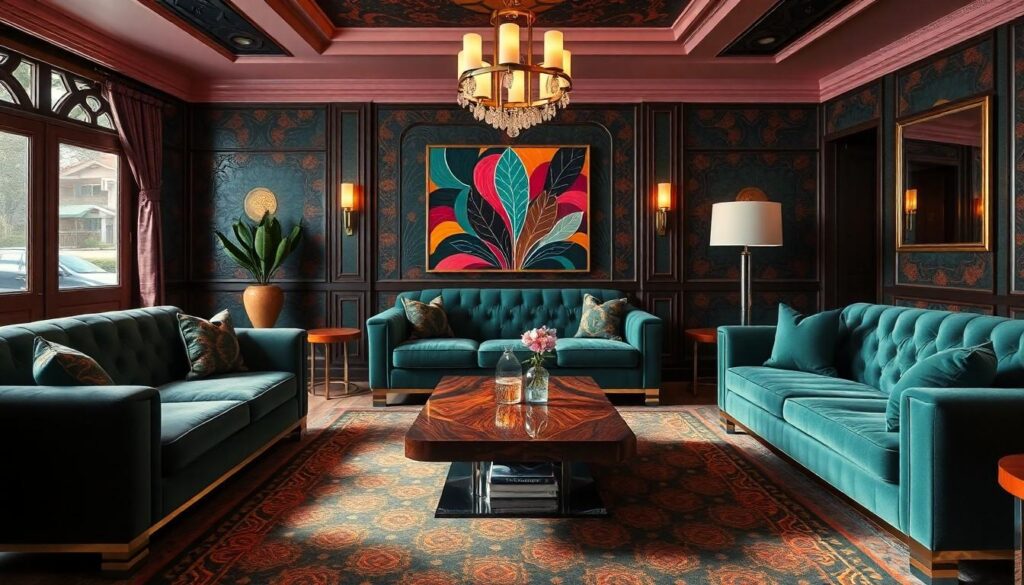
Art Deco style interior design emerged in the early 20th century, primarily during the 1920s and 30s. This distinct style is characterized by its bold geometric shapes and rich colors. It embraces luxury, featuring materials such as chrome, glass, and exotic woods. Additionally, intricate patterns and stylized motifs express a sense of glamour and sophistication.
Designers commonly incorporate elements of Art Deco in various aspects of interior spaces. Furniture often showcases streamlined forms and elegant finishes. Lighting fixtures exhibit angular designs with a modern twist, enhancing the overall aesthetic. Walls frequently use decorative papers exhibiting bold geometric patterns, contributing to the vibrant interior.
Color palettes in Art Deco designs usually include jewel tones, contrasting black and white, and metallic finishes. Each color choice amplifies the richness and depth of the environment. Accessories also play a significant role, with mirrors, vases, and sculptures emphasizing the opulence that this style embodies.
Combining different textures proves essential for achieving an authentic Art Deco ambiance. Velvet, lacquer, and polished metals blend harmoniously in furniture and decor. This mix of tactile elements invites interaction and captures the eye, drawing attention to each unique piece.
Incorporating Art Deco elements into a home transforms it into a luxurious living space that reflects individual style. This design approach allows for creativity while maintaining an air of elegance and refinement. Ultimately, Art Deco style brings a captivating blend of history and modernity to interior design.
Key Characteristics of Art Deco Interior Design
Art Deco interior design showcases distinct characteristics that define its glamorous and sophisticated style. This approach blends functionality with aesthetics, creating visually arresting spaces.
Geometric Patterns
Geometric patterns form a foundational element of Art Deco. These shapes, including chevrons and zigzags, create bold visual interest in spaces. Patterns often appear on wallpapers, textiles, and flooring, guiding the eye and adding depth. Designers emphasize symmetry, which enhances the overall harmony within a room. Incorporating these designs elevates a space by reflecting the dynamic energy of the 1920s and 30s.
Bold Colors
Bold colors play a crucial role in the Art Deco palette. Rich jewel tones like emerald green, sapphire blue, and ruby red create stunning backdrops that energize the environment. Black and gold frequently complement these hues, bringing an air of sophistication. Color combinations can evoke emotion while maintaining elegance. Using vibrant shades also allows for personalization, making each space unique.
Luxurious Materials
Luxurious materials significantly enhance the Art Deco aesthetic. Designers often utilize rich fabrics such as velvet and silk, adding texture and comfort. Materials like chrome, glass, and mirrored surfaces provide a sleek, polished finish. Exotic woods, including mahogany and zebrawood, add warmth and uniqueness to furniture pieces. The combination of these materials results in an opulent atmosphere that truly embodies the Art Deco spirit.
Influential Figures in Art Deco Design
Art Deco design features several key figures who significantly shaped its identity and evolution. Their contributions span architecture, decorative arts, and iconic artworks.
Decorators and Architects
Renowned architects like William Van Alen and Raymond Hood exemplified Art Deco’s sleek architectural forms. The Chrysler Building in New York City, designed by Van Alen, showcases striking geometric shapes and ornamental details. Hood’s Radio City Music Hall stands as another prime example of Art Deco brilliance with its elegant façade and luxurious interiors. Interior designer Jean-Michel Frank brought warmth and glamour to spaces by combining exotic materials with minimalist designs. He masterfully blended plush fabrics and polished surfaces, enhancing the luxurious ambiance of the era.
Iconic Artworks
Iconic artworks exemplify the spirit of Art Deco, showcasing its unique aesthetic. Tamara de Lempicka’s paintings embody the fusion of modernism and elegance, portraying bold figures and vibrant colors. Sculptor Edward McCartan’s works emphasize refined lines and rich textures, emphasizing the opulence of the style. Moreover, René Lalique’s glass creations feature intricate patterns and exquisite craftsmanship, often seen in decorative elements within Art Deco interiors. Together, these artists contributed to an artistic landscape that defined the era’s luxurious character and continues to inspire contemporary design.
Modern Applications of Art Deco Style
Art Deco continues to influence modern interiors, enhancing both residential and commercial spaces with its distinctive charm and elegance.
Residential Spaces
Art Deco transforms residential spaces by incorporating luxurious materials and bold geometric patterns. Designers use rich colors like emerald green and sapphire blue, creating an inviting atmosphere. Statement furniture pieces, such as velvet sofas and chrome accent tables, evoke that signature glamour. Creative lighting choices, such as Art Deco chandeliers and sconces, serve as focal points while illuminating the space. Walls often feature intricate wallpapers or bold paint designs that define the room’s character. Combining these elements results in a chic and timeless sanctuary that reflects personal style.
Commercial Interiors
Art Deco seamlessly integrates into commercial interiors, adding sophistication to retail, hospitality, and office environments. Bold signage in geometric fonts enhances brand identity and draws attention. Large, open spaces utilize Art Deco materials, like polished wood and glass, to create an upscale ambiance. Furnishings typically include plush seating and stylish display units that promote customer engagement. Lighting choices range from ornate chandeliers to sleek sconces, effectively setting the mood. This design style not only captivates visitors but also encourages a memorable experience within commercial settings.
Art Deco interior design stands as a testament to timeless elegance and sophistication. Its unique blend of bold geometric shapes and luxurious materials creates an atmosphere that’s both inviting and visually striking. By embracing this style, individuals can craft spaces that not only reflect their personal taste but also celebrate a rich historical legacy.
The captivating elements of Art Deco continue to inspire modern designers, ensuring its relevance in today’s interiors. Whether through statement furniture or vibrant color palettes, Art Deco offers endless possibilities for transforming any environment into a chic sanctuary. This style’s enduring charm makes it a perfect choice for those looking to elevate their living or commercial spaces with a touch of glamour.