Table of Contents
ToggleIn the Sunshine State, where the weather can swing from sunny skies to tropical storms faster than you can say “hurricane season,” building codes play a crucial role in keeping homes safe and sound. Understanding Florida’s building code for exterior wall construction isn’t just for architects and contractors; it’s for anyone who values a sturdy roof over their head. After all, nobody wants their house to turn into a beachside bungalow during a storm!
Overview Of Florida Building Code
Florida’s building code establishes standards for various construction practices to protect structures from severe weather. These codes address crucial elements like wind resistance, structural integrity, and material durability.
Exterior wall construction falls under strict guidelines designed to withstand hurricanes and heavy rain. Exceptional factors, such as the wind zone and exposure category, influence the specific requirements for wall systems. Compliance ensures resilience against conditions typical in Florida’s climate.
Structural components, including framing and sheathing, must meet designated performance criteria. Various materials, such as concrete, masonry, and wood, undergo stringent testing to ensure they fulfill safety standards. Designers and contractors often refer to the Florida Building Code to ensure their projects comply with these essential regulations.
Installations involving windows and doors also adhere to building code specifications. Proper placement, impact resistance, and energy efficiency contribute to overall performance and safety. Each aspect of exterior wall construction integrates multiple code provisions aimed at minimizing potential damage during adverse weather events.
Additionally, revisions to the building code occur regularly to adapt to evolving weather patterns and technological advancements. Stakeholders in the construction industry should regularly consult the latest code updates. Understanding these regulations promotes a culture of safety and stability for homes across the state.
Key Requirements For Exterior Wall Construction
Florida’s Building Code outlines specific requirements for exterior wall construction to enhance safety and durability. These regulations are vital for ensuring that structures can withstand severe weather conditions prevalent in the state.
Design Considerations
Building designs must account for local wind zones, which vary across Florida. Different areas experience distinct wind speeds, influencing the structural design. Architects and builders must evaluate exposure categories, which detail risk factors such as nearby bodies of water or elevated terrain. Proper alignment and arrangement of exterior walls contribute to overall stability. Compliance with engineered designs ensures walls maintain integrity during high winds and storms. Furthermore, drainage systems integrated into designs help prevent water accumulation and reduce damage risks.
Material Specifications
Materials used for exterior walls must meet rigorous durability standards. The Florida Building Code specifies testing requirements for various materials, ensuring they endure harsh weather conditions. Commonly approved materials include concrete, masonry, and treated wood. Each material undergoes assessments to confirm structural integrity and fire resistance. Impact-resistant windows and doors are mandatory to mitigate damage from flying debris. Energy efficiency also plays a role, so materials often feature insulation properties to enhance sustainability. Following these specifications ensures that structures remain resilient and energy efficient amidst Florida’s climate challenges.
Construction Techniques
Construction techniques for exterior walls in Florida emphasize resilience. Adhering to the Florida Building Code ensures safety and durability against severe weather.
Framing Methods
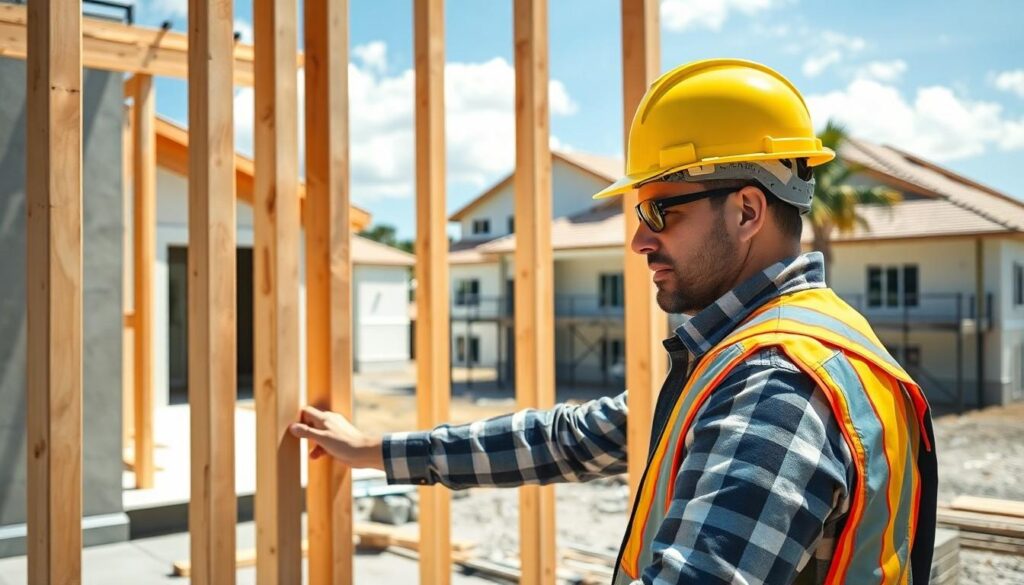
Wood and steel framing methods are commonly accepted for exterior wall construction. Builders often use pressure-treated lumber due to its resistance to moisture. Metal studs can provide additional support, especially in high-wind areas. Both methods must comply with load-bearing requirements. Incorporating diagonal bracing increases structural integrity against lateral forces caused by wind. Proper alignment of framing members is crucial for effective sheathing installation. Fasteners must meet specific code standards, ensuring materials are securely attached.
Insulation Guidelines
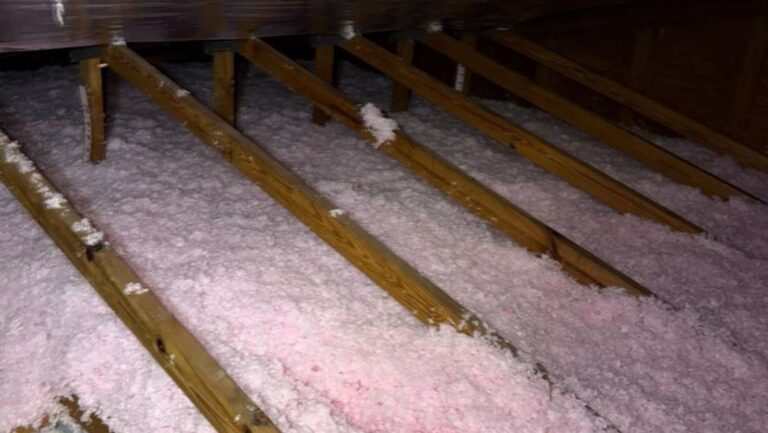
Insulation plays a vital role in energy efficiency and moisture control. Rigid foam board insulation provides excellent thermal resistance for exterior walls. Fiberglass batts are also popular, with varying R-values depending on thickness. Continuous insulation reduces thermal bridging, improving overall performance. Vapor barriers must be installed wherever moisture could infiltrate, especially for structures near waterways. Following these guidelines helps maintain comfortable indoor conditions and protects the wall’s integrity over time. Compliance with insulation requirements optimizes energy efficiency in homes across Florida.
Compliance And Inspections
Compliance with Florida’s building codes is critical for ensuring safe exterior wall construction. Inspections play a vital role in confirming that all standards are met throughout the building process.
Permit Process
Obtaining permits is essential before commencing any construction work. Homeowners or contractors must submit applications that detail the project scope, including plans and specifications for exterior walls. Local authorities review these applications to ensure adherence to the Florida Building Code. Approval of these permits enables construction to start while maintaining compliance with safety regulations.
Inspection Checklist
An inspection checklist outlines the key elements that inspectors evaluate during the construction process. Inspectors assess framing integrity, ensuring that materials meet code requirements. Fastener installation is scrutinized to verify compliance with specifications. Additionally, the proper installation of insulation and vapor barriers is inspected for effectiveness. Inspectors also check exterior walls for moisture management features, further reinforcing the building’s resilience against Florida’s weather. Regular inspections throughout the construction phase help identify issues early, promoting adherence to safety standards.
Common Challenges And Solutions
Florida’s unique climate poses significant challenges in exterior wall construction. Extreme weather events such as hurricanes can compromise structural integrity. Prioritizing compliance with building codes mitigates these risks.
Water intrusion is another notable issue. Proper drainage systems play a critical role in preventing moisture accumulation within walls. Installing effective drainage solutions ensures lasting durability and performance.
Material selection often presents difficulties. Builders can choose concrete, masonry, or treated wood, each offering various benefits and challenges. Understanding local codes assists in selecting the most appropriate materials for resilience against harsh conditions.
Improper insulation can lead to energy inefficiency and moisture problems. Implementing recommended insulation types, such as rigid foam board or fiberglass batts, retains indoor temperature effectively. Vapor barriers are essential in high-moisture areas, protecting walls over time.
Frequent inspections are vital in addressing compliance and safety issues. Conducting regular assessments during construction identifies potential problems early on. An inspector evaluates framing integrity, fastener installations, and insulation effectiveness, ensuring adherence to safety standards.
Design considerations also contribute to construction challenges. Layouts must accommodate local wind zones and exposure categories. Collaboration with architects and engineers ensures designs meet these specific requirements, enhancing overall safety.
Lastly, fastening techniques warrant careful attention. Using fasteners that align with building code specifications enhances structural resilience. Strengthening connections between components significantly improves the overall stability of exterior walls in high-wind environments.
Florida’s building codes for exterior wall construction play a crucial role in safeguarding homes against the state’s unpredictable weather. By adhering to these codes, builders can ensure their structures are resilient and capable of withstanding hurricanes and heavy rainfall.
Understanding the requirements for materials, construction techniques, and insulation is essential not just for professionals but also for homeowners. Regular inspections and compliance with updated regulations foster a culture of safety and stability.
As the climate continues to evolve, staying informed about building codes will remain vital for anyone involved in construction in Florida. This proactive approach will help protect properties and enhance the overall durability of homes across the state.