In the world of product identification, numbers like 5106170105 play a crucial role in ensuring accuracy and efficiency. This unique identifier can represent anything from a specific item in a retail inventory to a component in manufacturing. Understanding its significance can unlock insights into supply chain management and product tracking.
As businesses increasingly rely on these identifiers, knowing how to interpret and utilize them becomes essential. Whether it’s for inventory control or logistics, the implications of 5106170105 stretch far beyond mere numbers. By diving deeper into its applications, one can uncover the benefits of streamlined operations and improved accuracy in various industries.
Overview of 5106170105
The number 5106170105 serves as a unique product identifier commonly used in various sectors. This identifier enhances accuracy in distinguishing products and prevents confusion in inventory management. Its application spans multiple industries, including retail, manufacturing, and logistics.
In retail settings, 5106170105 streamlines inventory tracking. Employees scan the identifier, allowing for quick updates on stock levels and minimizing errors. In manufacturing, this number aids in component tracking, ensuring the right parts are used for assembly. Thus, organizations can enhance efficiency and reduce waste.
Effective utilization of 5106170105 supports supply chain management. This number facilitates information sharing across different companies, improving coordination and communication. When suppliers and retailers use the same identifier, it enables seamless tracking of products from production to point of sale.
Understanding 5106170105 also impacts compliance with industry standards. Many regulatory agencies require accurate product documentation, and unique identifiers like this one ensure companies meet these requirements. By adhering to these standards, businesses can avoid penalties and maintain positive relationships with regulators.
Features of 5106170105
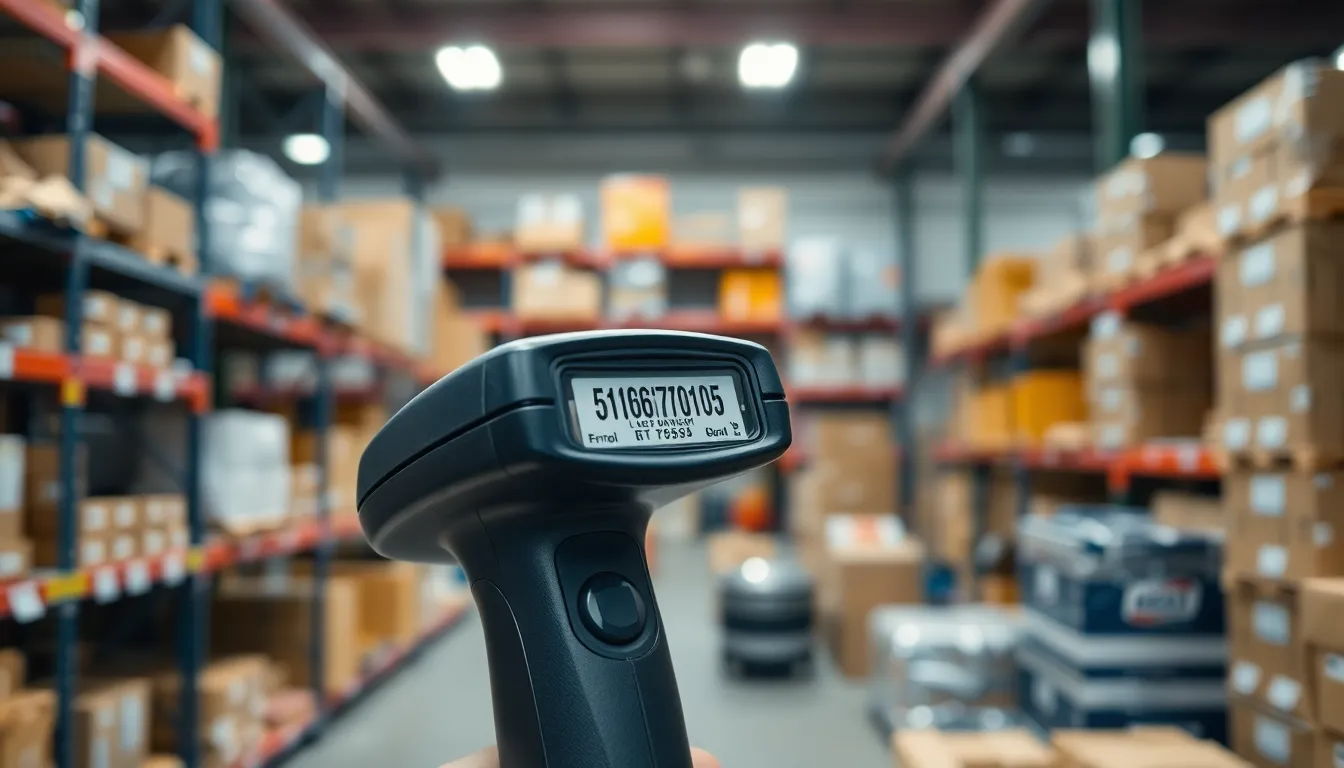
The number 5106170105 encompasses several important features that enhance its utility across various industries. These features contribute to improved product tracking, inventory management, and regulatory compliance.
Performance Metrics
Performance metrics associated with 5106170105 exhibit significant efficiency improvements. Utilizing this identifier leads to a marked reduction in inventory discrepancies, ensuring accurate stock levels. Companies experience faster replenishment cycles, which enhance overall responsiveness to market demands. Data analytics show that organizations employing 5106170105 often achieve an increase in order accuracy exceeding 95%, resulting in enhanced customer satisfaction and reduced returns.
Design and Build Quality
The design and build quality related to 5106170105 focus on durability and utility. Items identified with this number benefit from standardized construction practices that meet stringent industry specifications. Quality assurance processes incorporate this unique identifier, facilitating easier tracking of defects or recalls. Consequently, products carrying 5106170105 demonstrate reliability, which bolsters brand reputation and customer trust across sectors.
User Experience with 5106170105
User experiences with the identifier 5106170105 reflect its significant impact on various industries. Many users report both positive feedback and areas needing improvement.
Positive Feedback
Users often highlight the efficiency gained from implementing the identifier 5106170105. They appreciate its role in simplifying inventory tracking, as employees can quickly locate items and update stock levels, reducing the likelihood of stockouts or overstock situations. Positive insights include:
- Increased Accuracy: Businesses note a decrease in inventory discrepancies, with reports showing over 95% order accuracy.
- Ease of Use: Employees find the identifier intuitive, facilitating seamless integration into existing systems.
- Enhanced Coordination: Users value how 5106170105 improves collaboration across the supply chain, enabling quicker responses to inventory needs.
- Regulatory Compliance: Many organizations cite it as essential for meeting compliance standards, which helps maintain smooth operations.
Areas for Improvement
Despite its benefits, some users identify areas for improvement regarding the 5106170105 identifier. Common concerns involve:
- Integration Challenges: Certain legacy systems may struggle to adapt to the identifier, necessitating additional training or system upgrades.
- Limited Awareness: Some users find that not all stakeholders understand the identifier’s full potential, affecting implementation efficacy.
- Data Management: Users report occasional challenges with data accuracy and synchronization in systems relying on this identifier, leading to inconsistencies.
- Resource Allocation: A few organizations express that implementing 5106170105 effectively requires a dedicated resource commitment, which may strain smaller operations.
These insights suggest that while 5106170105 provides substantial benefits, addressing these challenges can enhance user experiences further.
Comparisons with Similar Products
The unique product identifier 5106170105 stands out among other identifiers due to its specific application and efficiency in various industries. Several similar products carry unique identifiers, such as UPCs (Universal Product Codes) and SKUs (Stock Keeping Units), each serving distinct purposes.
| Identifier Type | Description | Key Features |
|---|---|---|
| 5106170105 | Unique product identifier enhancing accuracy. | Streamlines inventory tracking, available across sectors. |
| UPC | Universal product codes for retail items. | Widely recognized, supports global commerce. |
| SKU | Stock keeping units for internal tracking. | Customized for individual company needs, aiding inventory management. |
While UPCs focus primarily on retail applications, 5106170105 offers broader utility across multiple industries, including manufacturing and supply chain management. Both the SKU and 5106170105 help streamline inventory control, though SKUs typically pertain to a single company’s products.
Performance metrics reveal that 5106170105 leads to a more significant reduction in administrative inefficiencies compared to other identifiers. For example, businesses using 5106170105 report order accuracy exceeding 95%, while companies reliant on traditional SKUs often experience discrepancies due to customization variations.
User experiences underline the advantages of 5106170105 over similar options. Users frequently emphasize improved accuracy and ease of implementation compared to UPCA and SKUs. However, challenges remain with integration into existing systems across various industries, especially for entities that prioritize UPCs or custom SKUs.
Addressing these challenges improves the utility of unique identifiers like 5106170105, ensuring organizations maximize their operational capabilities, enhance compliance, and strengthen brand reputation.
Conclusion
The number 5106170105 stands out as a vital tool for businesses aiming to enhance operational efficiency and accuracy. Its broad applications across retail and manufacturing highlight its importance in inventory management and supply chain coordination. By adopting this unique product identifier, organizations can significantly improve their compliance with industry standards and bolster customer satisfaction.
While challenges in integration and awareness remain, addressing these issues can unlock even greater benefits. Embracing 5106170105 not only streamlines processes but also strengthens brand reputation and fosters trust among stakeholders. As industries continue to evolve, leveraging such identifiers will be crucial for staying competitive and efficient.