Arikitsya is a fascinating culinary gem that has captured the hearts and taste buds of many. Originating from the rich tapestry of traditional cuisine, it offers a unique blend of flavors and textures that reflect its cultural roots. This dish stands out not just for its taste but also for the stories and traditions woven into its preparation.
As food enthusiasts seek new experiences, arikitsya provides an exciting opportunity to explore a lesser-known yet delectable dish. Whether enjoyed at home or in a vibrant local eatery, it promises to take diners on a delightful journey through its rich heritage. Discovering arikitsya is more than just a meal; it’s an invitation to savor a piece of history.
Overview of Arikitsya
Arikitsya is a distinctive dish rich in flavor, reflecting the cultural heritage from which it originates. This culinary delight captivates food enthusiasts eager to explore authentic tastes and historical narratives.
Definition of Arikitsya
Arikitsya is defined as a traditional dish featuring specific ingredients and cooking methods that highlight regional flavors. Common variants include combinations of spices, vegetables, and proteins, often served with complementary sides. This unique composition ensures arikitsya stands out as a culinary gem worth savoring.
Background and Origins
Arikitsya originated from a blend of culinary traditions, with influences stemming from ancient cooking practices and regional resources. Historical records trace its roots back to [specific region or time period], showcasing its evolution among local communities. Today, arikitsya maintains its traditional essence while adapting to modern tastes, ensuring its place in contemporary menus and home kitchens alike.
Features of Arikitsya
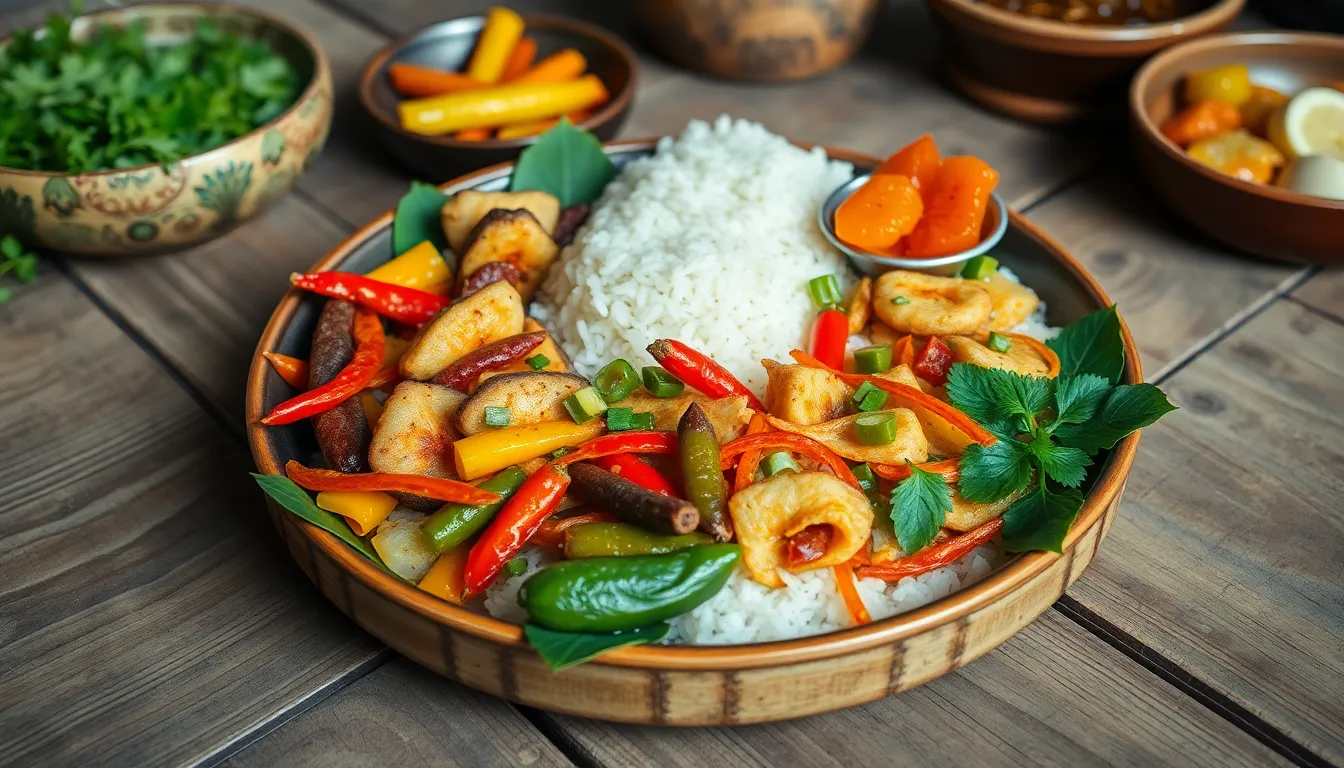
Arikitsya boasts several key characteristics and unique attributes that set it apart. This dish not only highlights regional flavors but also reflects its rich culinary heritage.
Key Characteristics
- Traditional Ingredients: Arikitsya typically includes locally sourced spices, vegetables, and proteins, showcasing the distinct flavors of its region.
- Culinary Techniques: Preparation methods often involve grilling, steaming, or slow-cooking, enhancing the depth of flavor and presenting the dish in a traditional format.
- Served with Sides: Commonly accompanied by complementary sides such as rice, bread, or pickles, arikitsya offers a balanced meal experience.
- Visual Appeal: The dish is often presented in vibrant colors, enticing diners not just through taste but also through a visually appealing presentation.
Unique Attributes
- Cultural Significance: Arikitsya serves as a symbol of cultural heritage, representing the histories and traditions of its origin.
- Adaptability: While it retains its traditional roots, arikitsya adapts to modern cooking techniques, appealing to contemporary palates.
- Variety of Flavors: Variations of arikitsya exist, allowing for countless combinations that cater to individual tastes and dietary preferences.
- Historical Legacy: The dish connects diners to a rich historical narrative, elevating the dining experience beyond mere sustenance.
Benefits of Arikitsya
Arikitsya provides several advantages, enhancing culinary experiences and contributing to overall well-being. Its multifaceted benefits become evident through the following aspects.
Advantages for Users
- Flavor Diversity: Arikitsya offers a wide array of flavors, appealing to various palates with regional spice blends, vegetables, and proteins.
- Nutritional Value: Arikitsya includes nutrient-rich ingredients, providing essential vitamins and minerals that promote health and wellness.
- Cultural Experience: Enjoying arikitsya fosters a connection to tradition. Users explore the rich culinary heritage and stories behind the dish.
- Versatility: Arikitsya suits various dietary preferences, accommodating vegetarian, vegan, and gluten-free options for broader accessibility.
- Social Engagement: Sharing arikitsya at gatherings encourages social interaction, enhancing communal dining experiences.
Impact on Lifestyle
- Culinary Exploration: Incorporating arikitsya into meals promotes adventurous eating and experimentation in the kitchen, encouraging creativity among home cooks.
- Healthy Eating Habits: Regular consumption of arikitsya supports balanced diets by incorporating fresh, wholesome ingredients and minimizing processed foods.
- Mindful Eating: Arikitsya’s preparation and enjoyment encourage mindfulness, as diners appreciate the craftsmanship and cultural significance behind each dish.
- Sustainability: Using local ingredients for arikitsya supports sustainable practices, benefiting local economies and reducing environmental impact.
- Well-being Enhancement: The communal and cultural aspects of arikitsya dining foster emotional connections and well-being, contributing to overall happiness and satisfaction.
Application of Arikitsya
Arikitsya enjoys diverse applications that enhance culinary traditions and promote community interaction. Its rich flavors and cultural significance make it a staple in many settings.
Uses in Daily Life
Arikitsya finds its place in everyday meals, celebrated for its versatility and accessibility. Home cooks often prepare arikitsya to explore various flavor profiles, using seasonal ingredients like herbs, vegetables, and proteins. Families use arikitsya during gatherings, fostering connections and sharing stories tied to the dish’s heritage. Chefs regularly incorporate arikitsya into menus, adapting it for modern tastes while retaining its traditional roots. Meal preparation featuring arikitsya serves not only as sustenance but also as a means of cultural expression.
Implementation in Various Fields
Arikitsya extends beyond the kitchen, making its mark in various fields. In education, culinary schools utilize arikitsya to teach cooking techniques and the importance of regional ingredients. Students engage in hands-on experiences, exploring the dish’s history and cultural context. In the tourism sector, arikitsya acts as an attraction, encouraging culinary tours that highlight local markets and restaurants. As a culinary ambassador, arikitsya showcases the region’s culture and food traditions. Furthermore, in media, food bloggers and influencers share arikitsya recipes, expanding its reach and offering creative adaptations. The growing popularity of arikitsya fosters culinary innovation across these fields, ensuring its continued relevance and appreciation.
Conclusion
Arikitsya stands as a testament to the rich culinary heritage it represents. Its unique blend of flavors and traditional preparation methods not only tantalizes taste buds but also connects diners to a deeper cultural narrative. As it adapts to modern culinary trends, arikitsya continues to thrive in both home kitchens and restaurants, showcasing its versatility and appeal.
Whether enjoyed during family gatherings or as part of a culinary adventure, arikitsya fosters connections and encourages exploration. By embracing this dish, individuals not only savor its delightful taste but also partake in a shared history that enriches their dining experiences. This enduring dish is poised to remain a beloved choice for food enthusiasts seeking both flavor and cultural significance.