Table of Contents
ToggleImagine stepping into a serene oasis where simplicity reigns supreme and every corner whispers tranquility. Japanese style interior design isn’t just a trend; it’s a lifestyle choice that invites peace and harmony into everyday living. With its clean lines, natural materials, and a touch of Zen, this design philosophy transforms spaces into calming retreats that even your houseplants would envy.
Overview of Japanese Style Interior Design
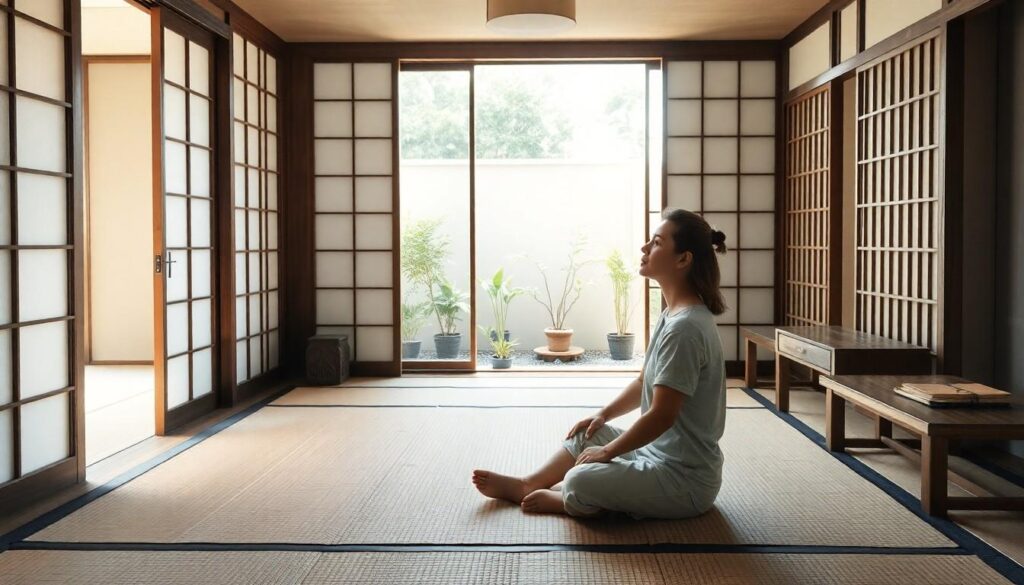
Japanese style interior design embodies simplicity and tranquility. Clean lines and uncluttered spaces define its signature aesthetic. Elements like tatami mats, sliding shoji doors, and wooden frames enhance the natural feel of these environments. Natural materials take center stage, with wood, bamboo, and stone frequently used.
The influence of Zen philosophy manifests in the design’s emphasis on serenity. Light, neutral colors create a soothing backdrop, promoting relaxation and mindfulness. Incorporating plants adds vibrancy while reinforcing a connection to nature. Minimalist furniture further complements this approach, providing functionality without overwhelming the space.
Takumi craftsmanship stands as a hallmark of Japanese design. Artisans use time-honored techniques to create unique pieces that merge beauty and utility. Each item speaks to quality, enhancing the overall harmony of the environment. Designers often prioritize spaciousness, allowing light to flow freely and creating open, airy rooms.
Moreover, Japanese decor favors asymmetry, which can be observed in the arrangement of objects. This principle creates visual interest and draws the eye, ensuring that each element stands out without clashing. Thoughtful placements foster balance, resulting in a peaceful atmosphere.
Art plays a significant role, with traditional pieces like calligraphy or landscape paintings accentuating walls. Such artworks invite a sense of culture and history into the space. Textures are both used and celebrated, with soft fabrics juxtaposed against hard surfaces, adding depth to the design.
Japanese style interior design promotes a harmonious lifestyle, seamlessly integrating aesthetics with functionality. Each component works together to create serene living spaces that encourage mindfulness and connection to nature.
Key Elements of Japanese Style Interior Design
Japanese style interior design embodies simplicity and serenity. It focuses on essential elements that create a tranquil environment.
Minimalism
Minimalism stands central in Japanese design principles. Spaces showcase limited furniture, aligning with a philosophy where less is more. Clutter-free environments foster a calming atmosphere. Each piece serves a purpose, maximizing functionality without excess. Open layouts encourage movement and visual flow. In Japanese homes, simplicity creates harmony, allowing room for mindfulness and reflection.
Natural Materials
Natural materials play a crucial role in defining Japanese interiors. Wood, bamboo, stone, and paper evoke a sense of warmth and connection to nature. Tatami mats made from rice straw symbolize traditional craftsmanship and comfort. Sliding shoji doors not only enhance aesthetics but also promote versatility in space use. Textures from these materials create visual interest, grounding the design in authenticity. The emphasis on organic elements unites the indoor and outdoor experiences, fostering tranquility.
Neutral Color Palettes
Neutral color palettes dominate Japanese style interiors, contributing to their soothing ambiance. Soft shades of beige, white, and gray promote calm and relaxation. These colors reflect natural light, enhancing the feeling of spaciousness. Walls often blend seamlessly with furniture, creating a cohesive look. Minimal color variation keeps distractions at bay, allowing the eye to focus on essential beauty. Enhancements like indoor plants introduce subtle accents, further enhancing the serene atmosphere.
The Influence of Nature in Japanese Design
Nature plays a crucial role in Japanese interior design. This integration promotes calmness and tranquility in living spaces.
Incorporating Natural Light
Natural light serves as a vital element in Japanese design. Skylights and large windows enhance brightness in rooms. Daylight creates a sense of openness, making spaces feel more expansive. Sliding shoji doors allow light to filter gently into interiors, softening harsh glare. Strategic placement of mirrors amplifies this effect, reflecting light throughout the area. Utilization of light, in combination with neutral color palettes, establishes a serene atmosphere and promotes relaxation.
Indoor-Outdoor Flow
The seamless transition between indoor and outdoor spaces is fundamental in Japanese design. Gardens or courtyards often connect directly to living areas, blurring lines between environments. This connection fosters a sense of harmony and encourages interaction with nature. Large sliding doors facilitate easy access, inviting fresh air and natural scenery. The careful selection of plants further reinforces this flow, bringing nature’s beauty inside. Natural materials—like wood and stone—used in both interiors and exteriors create cohesion and unity within the entire living space.
Traditional Versus Modern Japanese Style Interior Design
Traditional Japanese interior design features elements such as tatami mats and shoji screens, embodying a deep connection to nature and simplicity. Tatami mats provide a natural flooring option that promotes comfort and tranquility. Shoji screens enhance flexibility in space usage, allowing natural light to filter through while maintaining privacy. These features create a serene ambiance and are essential in traditional settings.
Modern interpretations of Japanese interior design incorporate contemporary materials and technology without losing the core principles of harmony and minimalism. Designers often blend traditional features with sleek furniture and industrial materials, resulting in a fresh aesthetic. Open floor plans and multifunctional spaces reflect urban living trends while maintaining the essence of peace and balance. Emphasis on sustainability is prevalent, with eco-friendly materials highlighted in many designs. This merging of old and new showcases the adaptability of Japanese style in the modern era.
Japanese style interior design offers a unique approach to creating tranquil living spaces that promote mindfulness and harmony. By focusing on simplicity and natural elements it transforms environments into peaceful retreats. The balance between traditional craftsmanship and modern aesthetics showcases its adaptability while retaining core principles.
Integrating natural light and outdoor elements further enhances the serene ambiance. This design philosophy not only enriches the visual appeal of a space but also fosters a deeper connection to nature. Embracing Japanese style can lead to a more balanced lifestyle that prioritizes calmness and functionality in everyday living.