Table of Contents
ToggleLooking for a sturdy solution that won’t crumble like a cookie in a toddler’s hands? Metal building construction might just be your best friend. Whether it’s a workshop, a garage, or a barn, these structures are the superheroes of the construction world—resilient, cost-effective, and ready to withstand whatever Mother Nature throws their way.
Overview of Metal Building Construction
Metal building construction offers durability and cost-effectiveness, making it an appealing option for various projects. This section explores the key benefits and common applications of metal structures.
Benefits of Metal Buildings
Metal buildings provide exceptional strength and longevity compared to traditional materials. They resist harsh weather conditions, which reduces maintenance costs over time. Another advantage is their quick assembly, cutting down on labor expenses. Sustainability also plays a role, as many metal buildings are recyclable, promoting eco-friendly practices. Overall, these buildings deliver economic savings through lower operational and upkeep costs.
Common Applications
Metal structures can serve numerous purposes across different industries. Workshops are popular choices for DIY projects, offering ample space and organization. Farmers often use metal barns to house livestock and store equipment securely. In addition, warehouses benefit from metal construction due to their spaciousness and durability. Retail spaces also capitalize on these buildings, providing a modern aesthetic with practical functionality.
Finding Metal Building Construction Services Near You
Locating metal building construction services nearby involves a few key steps. Exploring local options enhances the probability of finding reliable contractors.
Researching Local Contractors
Start the search by utilizing online directories and local listings. Google Maps or Yelp can yield a variety of local contractors specializing in metal buildings. Community forums and social media groups often share recommendations and experiences. Seek out businesses with strong online reviews and active engagement with customers. Comparing several contractors helps identify preferred choices. Look for those with detailed portfolios showcasing their previous projects. Constructors with established reputations typically deliver quality work and timely service.
Evaluating Credentials and Experience
Verify that selected contractors possess appropriate licenses and insurance. Licensing indicates a professional level of expertise in metal construction. Experienced contractors often display a range of completed projects in various sectors. Request references to assess prior client satisfaction. Reviewing these connections enables informed decisions about potential hires. A contractor’s years in the industry usually correlate with reliability and skill. Prioritize those who offer warranties on their work, as this reflects confidence in their abilities.
Understanding the Construction Process
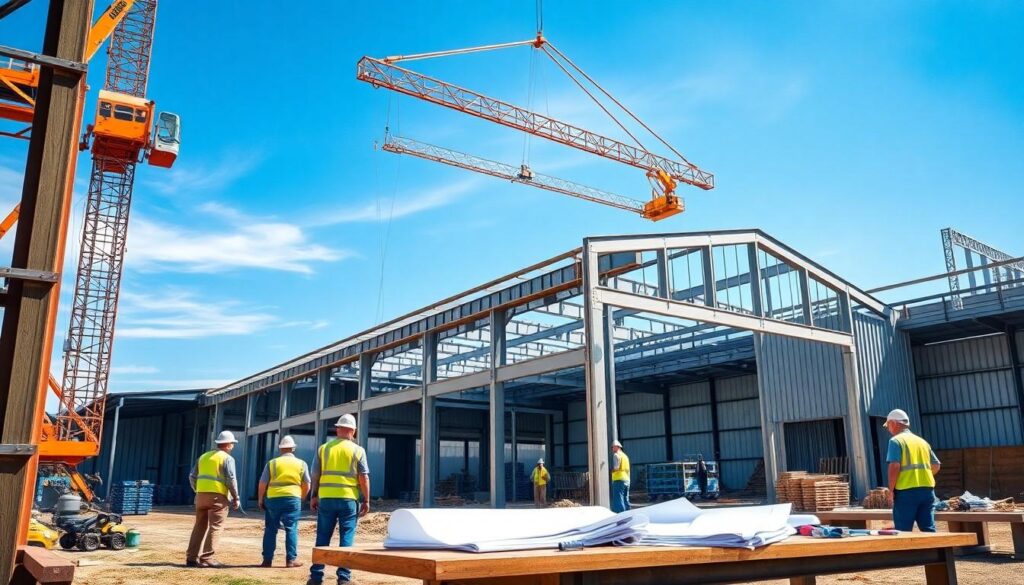
The construction process of metal buildings involves several crucial steps that ensure successful completion.
Design and Planning
Effective design and planning set the foundation for any metal building project. Contractors evaluate the specific needs and preferences of clients, addressing aspects such as size, layout, and functionality. Detailed blueprints are created, incorporating structural integrity and aesthetic appeal. Clients should communicate their vision to the contractor, facilitating collaborative discussions. Accurate planning also considers local climate conditions and the intended use of the building. By focusing on these details, projects can stay on schedule and within budget.
Obtaining Permits
Securing the necessary permits is critical before beginning construction. Contractors start by conducting research on local regulations and zoning laws that govern metal building projects. It’s essential to gather all required documentation for the application process, which may include site plans and structural calculations. Local municipalities often have specific guidelines that impact building design and placement. Understanding these requirements helps prevent delays and potential legal issues down the line. Collaboration with contractors ensures that all permits are obtained promptly, allowing the project to progress efficiently.
Costs Involved in Metal Building Construction
Metal building construction presents various costs that can fluctuate based on several factors. Understanding these elements can aid in accurately estimating expenses.
Factors Influencing Price
Location significantly affects metal building costs. Labor rates, material availability, and transportation expenses vary by region. Additionally, the building size impacts price; larger structures require more materials and labor, leading to increased costs. Design complexity also plays a critical role; simple designs are generally less expensive than intricate ones. Furthermore, local building codes and permit fees can introduce additional expenses. Finally, the choice of materials, such as different grades of steel, influences the overall price. Each of these factors contributes to the total cost of metal building construction.
Budgeting Tips
Creating a realistic budget ensures a successful metal building project. Begin by estimating costs for materials, labor, and permits based on local pricing. Prioritize obtaining multiple quotes from contractors to compare services and prices. Allocate funds for unforeseen expenses, typically around 10% of the total budget. Research the most cost-effective materials that won’t compromise quality or durability. Consider long-term costs, including maintenance and energy efficiency, when selecting building features. Lastly, maintain open communication with contractors about any financial constraints, which helps in managing expenses throughout the project.
Choosing metal building construction offers a smart solution for various needs. Its durability and cost-effectiveness make it an appealing option for anyone looking to invest in a long-lasting structure. By carefully selecting local contractors and evaluating their experience and credentials, individuals can ensure a successful project from start to finish.
Understanding the construction process and costs involved helps in making informed decisions. With the right planning and communication, metal buildings can provide significant benefits while meeting specific requirements. As the demand for sustainable and efficient building solutions grows, metal construction stands out as a reliable choice for the future.