Table of Contents
ToggleIn a world overflowing with stuff, the minimalist interior is like a breath of fresh air—if fresh air came with a side of chic design. Imagine stepping into a space where clutter is banished and every piece has a purpose. It’s not just about having less; it’s about enjoying more. More space, more calm, and yes, more room to showcase that one stunning vase you just had to have.
Embracing minimalism doesn’t mean living like a monk in a cave. It’s about creating a sanctuary that reflects personal style while keeping the chaos at bay. With clean lines, neutral colors, and a focus on functionality, minimalist design invites serenity into everyday life. So why not trade in the clutter for clarity? After all, who needs a dozen throw pillows when one can do the job beautifully?
What Is Minimalist Interior?
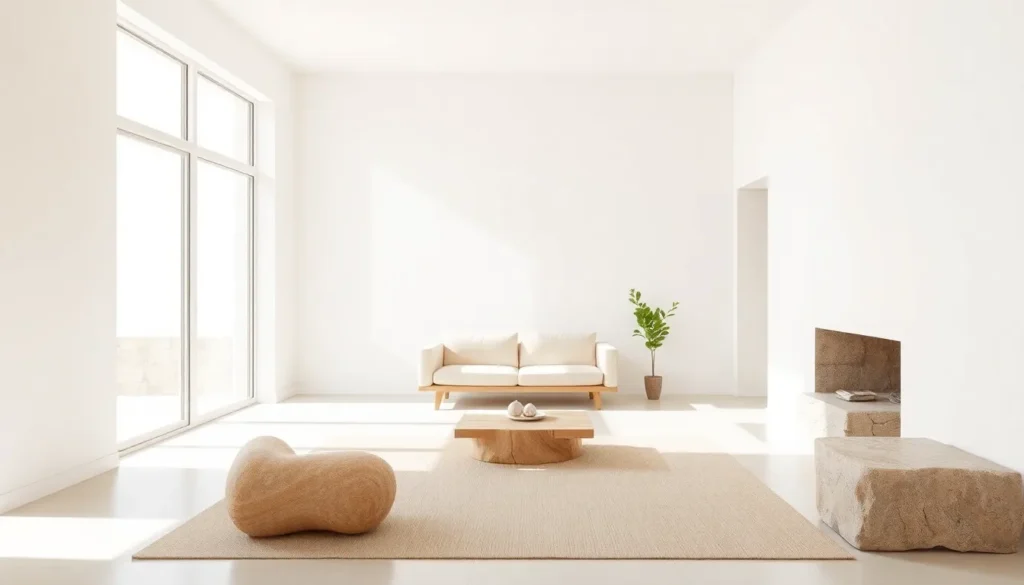
Minimalist interior refers to a design philosophy that prioritizes simplicity and functionality. This approach emphasizes clean lines and a subdued color palette, creating a calm and organized environment. Focusing on essential elements, minimalist spaces discard unnecessary items to reduce visual clutter.
Decorative factors play a crucial role in minimalism. Furniture and decor in minimalist interiors are often chosen for their practical use rather than mere ornamentation. Natural light is embraced and frequently utilized to enhance mood and space perception.
Minimalist design encourages the use of high-quality materials, leading to durable products that withstand time. By applying a few purposeful decorative items, such as plants or art pieces, these spaces gain character without overwhelming the senses. This design style fosters a serene atmosphere, contributing to mental well-being.
Adjusting to a minimalist approach involves decluttering both physical and mental spaces. Homeowners can start by evaluating their belongings and deciding which items genuinely add value to their lives. Practicing minimalism encourages mindfulness, urging individuals to make intentional choices regarding their possessions.
Creating a minimalist interior does not exclude personal style. Instead, it invites individuals to express themselves through fewer, more meaningful objects. Many find comfort in the simplicity of minimalist design, as it leads to lower maintenance needs and provides an overall sense of order.
Key Characteristics of Minimalist Interior
Minimalist interior design showcases several key characteristics that create harmonious spaces. These traits work together to enhance the serenity and functionality of a home.
Clean Lines and Simple Forms
Clean lines and simple forms dominate minimalist interiors. Designers emphasize geometric shapes and unobtrusive silhouettes that draw the eye without overwhelming it. This focus eliminates visual noise, creating an open and airy atmosphere. Spaces benefit from well-proportioned furniture and decor that enhances flow while ensuring ease of movement. Each element serves a purpose, contributing to a cohesive, streamlined aesthetic.
Neutral Color Palettes
Neutral color palettes play a significant role in minimalist design. Shades like white, beige, and gray foster a calm environment while amplifying natural light. The tranquility of these colors allows for harmonious transitions between spaces. Accent colors, when used, remain muted, drawing attention to thoughtfully chosen artwork or decor without disrupting balance. A neutral foundation encourages a sense of peace, making spaces feel more inviting and expansive.
Functional Furniture
Functional furniture embodies the essence of minimalist design. Each piece chosen serves a clear purpose while maintaining an aesthetic appeal. Multi-functional items, such as sofa beds or storage ottomans, maximize usability, further reducing clutter. The emphasis remains on quality over quantity, ensuring durability and longevity. Strategic selection of furniture contributes to an organized, inviting atmosphere that fosters relaxation and productivity.
Benefits of Minimalist Interior
Minimalist interior design offers numerous advantages that enhance living environments. The focus on simplicity and functionality creates inviting spaces that resonate with tranquility.
Enhanced Space and Organization
In minimalist interiors, open layouts allow free movement and reduce feelings of confinement. Abundant natural light plays a crucial role, brightening areas and making them feel larger. Thoughtfully chosen multifunctional furniture maximizes usability and minimizes clutter. Each item serves a purpose that supports a tidy atmosphere. Strategic use of storage solutions keeps belongings out of sight, contributing to a more organized environment. Organized spaces improve mental clarity and productivity, making daily routines more enjoyable.
Reduced Stress and Clutter
Simplified surroundings directly contribute to reduced stress levels. Clutter-free environments promote relaxation, encouraging a calm mindset. Fewer decorative elements create visual serenity, inviting relaxation after a busy day. The minimalist approach also emphasizes intentionality, prompting individuals to evaluate their possessions carefully. Each item retained adds value, fostering a sense of contentment. With lowered maintenance needs, homeowners spend less time tidying up. Ultimately, embracing minimalism leads to a peaceful existence that prioritizes comfort and order.
Tips for Creating a Minimalist Interior
Creating a minimalist interior involves intentional choices that lead to a serene environment. Focus on simplicity and functionality in design elements.
Decluttering Your Space
Decluttering sets the foundation for minimalist design. Evaluate belongings and remove items that don’t serve a purpose or bring joy. Organizing objects into categories can simplify the decision-making process. Invest in storage solutions that keep items out of sight but easily accessible. Regularly revisit clutter to maintain a sense of order. Emphasizing a clean space enhances tranquility and promotes mental clarity.
Choosing the Right Materials
Choosing high-quality materials elevates a minimalist interior. Select items that balance durability and aesthetic appeal, such as natural wood, stone, or linen. Greener alternatives like bamboo also contribute to sustainability. Prioritize textures that add warmth without overwhelming simplicity. Each material should reinforce the overall design philosophy, creating harmony through form and function. Thoughtful selections foster an inviting environment that resonates with calmness.
Common Mistakes to Avoid
Many individuals underestimate the importance of a decluttering process. Neglecting to remove unnecessary items leads to a cluttered atmosphere, counteracting minimalist principles. Overcrowding spaces with furniture occurs when selecting pieces without measuring room dimensions. Choosing oversized items can disrupt flow and overwhelm a room.
Failing to prioritize functionality emerges as a frequent error. Selecting decor for aesthetics alone often leads to impractical choices that complicate daily life. Sticking to a neutral color palette can be challenging, as some may feel tempted to incorporate bold hues. Incorporating too many colors results in distraction rather than tranquility.
Ignoring natural light impacts the intended serenity of minimalist design. Covering windows with heavy drapes blocks light and creates a closed-off environment. Selecting low-quality materials undermines durability and comfort. Investing in well-crafted pieces enhances both aesthetics and longevity for a truly minimalist feel.
Underestimating the importance of cohesive design elements reflects a common mistake. Mixing various styles and textures may create disarray rather than harmony. It’s crucial to curate selections that complement one another, fostering a serene appearance. Overloading vertical space with decor can also diminish height and openness.
Lastly, overlooking personal connection to items poses a significant risk. Minimalism thrives on meaningful belongings, which contribute to overall happiness. Choosing objects devoid of emotional value removes potential warmth from spaces. Embracing personal stories through carefully selected pieces enhances the minimalist aesthetic, promoting both comfort and order.
Embracing a minimalist interior design can transform living spaces into serene havens that prioritize functionality and personal expression. By focusing on simplicity and intentionality, individuals can create environments that not only reduce clutter but also enhance mental well-being.
The journey towards minimalism involves thoughtful choices about possessions and design elements that resonate with one’s lifestyle. With an emphasis on high-quality materials and multifunctional furniture, a minimalist approach fosters a sense of order and tranquility.
Ultimately, minimalism isn’t just a design choice; it’s a lifestyle that encourages contentment and peace through simplicity. This thoughtful approach to interior design can lead to a more enjoyable and fulfilling home experience.