Table of Contents
ToggleIn today’s fast-paced world, who has time to wrestle with outdated kitchen designs? Enter the modular kitchen—where style meets functionality in a way that even your mother-in-law would approve. These kitchens are like the Swiss Army knives of home design, offering endless customization options to fit any space, taste, or culinary ambition.
What Are Modular Kitchens?
Modular kitchens represent a progressive approach to kitchen design, focusing on efficiency, style, and customization. They consist of pre-made cabinetry and components designed to fit together seamlessly.
Definition of Modular Kitchens
Modular kitchens are constructed using standardized units or modules that facilitate easy assembly and disassembly. These kitchen solutions allow homeowners to create functional spaces tailored to their individual needs. Modern materials and designs enhance aesthetics while maximizing usability. This concept offers flexibility, enabling adjustments to fit changing lifestyles, whether through upgraded features or reconfigured layouts.
Key Features and Components
Several key features define modular kitchens. First, customizable cabinets provide options in terms of style, size, and finish. Second, the use of high-quality materials ensures durability and longevity. Third, ample storage solutions enhance organization through innovative designs like pull-out shelves and drawer dividers. Fourth, the incorporation of smart technology optimizes functionality and energy efficiency. Finally, modular kitchens promote ease of maintenance, simplifying cleaning and upkeep through design elements, like seamless countertops and easy-to-clean surfaces.
Benefits of Modular Kitchens
Modular kitchens present numerous advantages that enhance both functionality and aesthetics. Homeowners appreciate their efficiency and flexibility in design.
Space Efficiency
Space efficiency stands out as a primary benefit of modular kitchens. These designs often include clever storage solutions such as pull-out drawers and vertical cabinets. Creating more counter space becomes achievable with efficient layouts. Homeowners maximize even the smallest areas by incorporating modular units. Cabinets can fit perfectly into corners, utilizing every inch effectively.
Customization Options
Customization options allow homeowners to personalize their modular kitchens extensively. Various finishes, colors, and materials cater to diverse tastes and styles. Homeowners can select layouts that suit their cooking habits. Choosing specific components ensures spaces flow with the overall design of the home. Additionally, integrating appliances seamlessly into cabinetry offers a unified appearance.
Easy Installation and Maintenance
Easy installation simplifies the process of setting up modular kitchens. Pre-made components require less time and labor, reducing disruption during renovations. Homeowners also find maintenance manageable due to the design of modular units. Cleaning becomes straightforward with surfaces designed to resist stains and moisture. This aspect supports long-lasting durability and ease of upkeep.
Popular Designs and Styles
Modular kitchens come in various designs and styles, appealing to diverse tastes and preferences. Their versatility allows for creative interpretations within both contemporary and traditional frameworks.
Contemporary Modular Kitchens
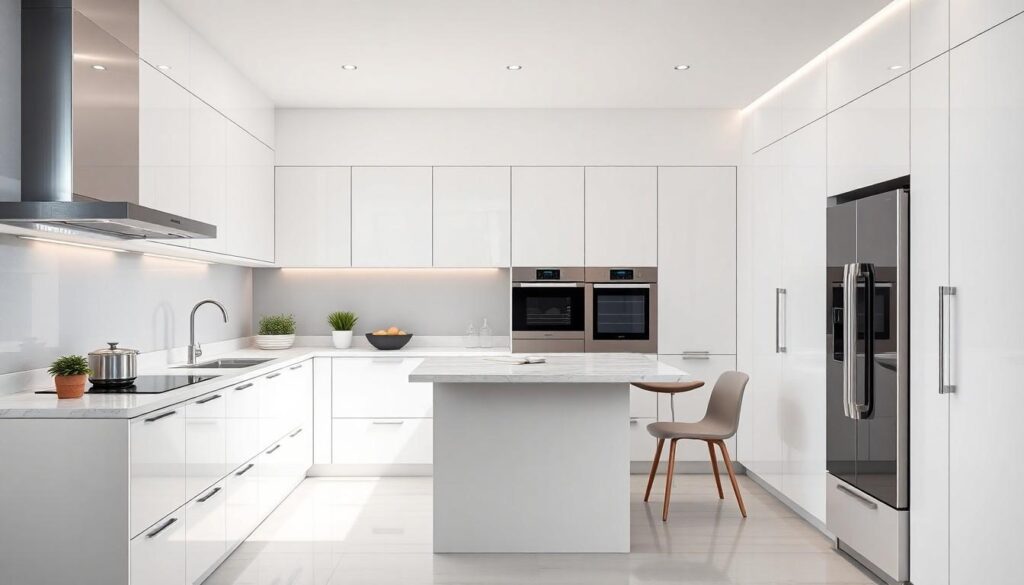
Contemporary modular kitchens focus on sleek lines and minimalist designs. They often feature high-gloss finishes and handle-less cabinets, creating a streamlined appearance. Innovative appliances integrated into cabinetry enhance aesthetic appeal and functionality. Open shelving serves a dual purpose, showcasing décor while providing practicality. Neutral color palettes, highlighted with bold accents, create a sophisticated ambiance. These kitchens are perfect for modern lifestyles that prioritize open space and usability.
Traditional Modular Kitchens
Traditional modular kitchens evoke warmth and nostalgia through classic design elements. Details such as raised panel cabinets and ornate moldings characterize this style. Rich wood finishes enhance a welcoming atmosphere, making these kitchens timeless. Functionality remains prevalent, as clever storage solutions accommodate cookware and pantry items. Color schemes often include deep, warm hues paired with soft, inviting tones. This design meshes well with homes that celebrate classic architecture and family gatherings.
Materials Used in Modular Kitchens
Modular kitchens utilize various materials that enhance both aesthetics and functionality. Each material contributes to durability and design, making these kitchens a go-to choice for modern homes.
Wood and Laminates
Wood remains a popular choice due to its natural beauty and versatility. Different species like oak, maple, and birch offer unique grains and colors. Laminates, often used as surfaces, provide a cost-effective alternative to real wood. They come in numerous finishes, making it easy to match any decor. Both materials exhibit resistance to wear and moisture, ensuring longevity. Customization options abound, with different textures and colors available. Homeowners often prefer laminated surfaces, given their low maintenance and easy cleaning properties.
Metal and Glass
Metal elements add a contemporary edge, particularly stainless steel. Its resistance to stains and ease of cleaning make it ideal for kitchen environments. Incorporating glass components offers a sleek look while also allowing for light flow. Glass shelves or cabinet doors can create an illusion of space, which is especially useful in smaller kitchens. Using tempered glass enhances safety and durability. Both metal and glass provide modern aesthetics, supporting a streamlined appearance. Together, they ensure that modular kitchens remain stylish and functional over time.
Cost Considerations
Modular kitchens offer flexibility in budgeting, but various factors influence overall costs. Understanding these financial aspects helps homeowners make informed decisions.
Budgeting for Modular Kitchens
Setting a budget for a modular kitchen involves considering several components. Costs for cabinets, countertops, and appliances vary widely based on materials and brands. For instance, standard laminate cabinets might range from $1,500 to $5,000, while high-end wooden options could start at $8,000. Expect additional expenses for countertops, which can differ from $30 per square foot for laminate to over $100 for granite. Homeowners often allocate around 10% to 15% of their total home value for kitchen remodeling to ensure optimal results without overspending on other areas.
Installation Costs and Factors
Installation costs for modular kitchens fluctuate based on specific factors like kitchen size and layout complexity. Hiring professional installers generally costs between $50 and $100 per hour. Additional features, such as custom cabinetry or complex electrical work, can add to overall expenses. Time also plays a role; installations often take from two days to a week, depending on the project scale. Homeowners should factor in potential permits or modifications required by local regulations when budgeting for installations.
Modular kitchens represent a significant advancement in home design that harmonizes style with practicality. Their customizable nature allows homeowners to create spaces that reflect personal tastes while maximizing functionality. With innovative storage solutions and durable materials, these kitchens adapt seamlessly to various lifestyles.
As they continue to evolve, modular kitchens not only enhance the aesthetic appeal of a home but also simplify daily cooking tasks. For anyone considering a kitchen remodel, embracing the modular approach can lead to a beautifully organized and efficient cooking environment that meets modern demands.