Table of Contents
ToggleWhen it comes to building construction, Type 4 structures are like the Swiss Army knives of the architectural world. They blend the charm of traditional materials with the modern flair that gets everyone talking. Imagine a building that’s not just a home or an office but a conversation starter, a showpiece that marries beauty and functionality.
Overview of Type 4 Building Construction
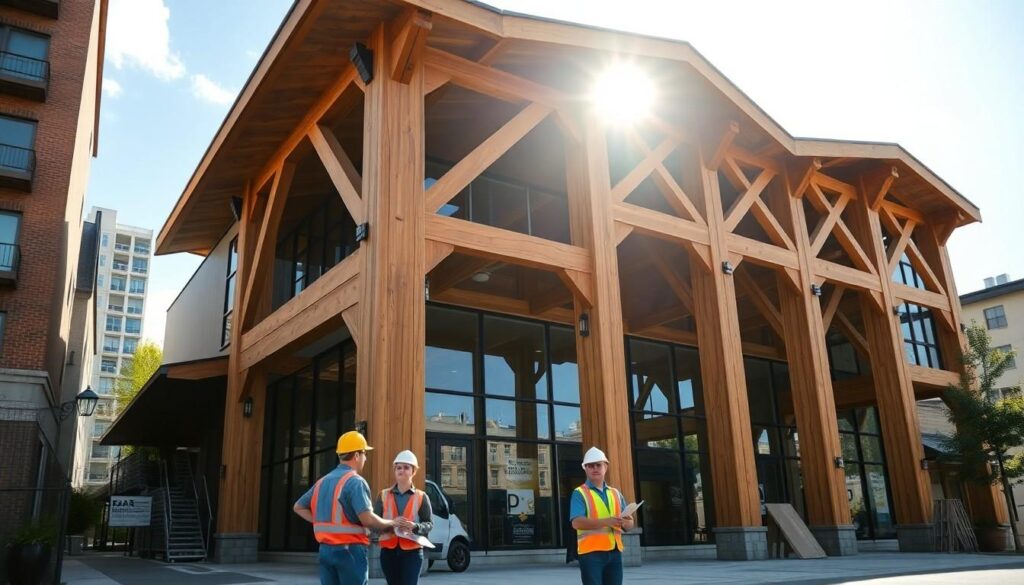
Type 4 building construction, known as “heavy timber construction,” features solid wood materials prominently in its design. These structures utilize large, exposed wood beams and columns, enhancing both strength and aesthetic appeal. Architects often favor this type due to its ability to combine rustic charm with modern design principles.
In terms of fire safety, Type 4 buildings often outperform lighter materials because the heavy timber can withstand fire longer, allowing for safer evacuation. Specific codes govern the construction of these buildings, detailing material specifications, fire resistance ratings, and other safety measures.
Flexibility marks Type 4 designs, accommodating a variety of architectural styles. This adaptability suits different purposes, from residential to commercial uses. Builders frequently apply this versatility to create spaces that stand out in urban landscapes.
Sustainability plays a significant role in these constructions, as wood serves as a renewable resource. Using sustainable forestry practices, builders can minimize environmental impact while promoting responsible construction methods. The natural aesthetics appeal to eco-conscious buyers, further increasing the popularity of Type 4 buildings.
Innovative technology enhances Type 4 construction techniques, allowing for greater design precision and efficiency. Integrating modern engineering with traditional materials creates unique structures that meet contemporary needs. Many developers prioritize these factors when selecting building approaches, which contribute to the continued relevance of Type 4 construction in today’s market.
Characteristics of Type 4 Building Construction
Type 4 buildings boast unique features that set them apart in the construction landscape. Their design incorporates heavy timber, which creates both strength and aesthetic appeal.
Material Composition
Heavy timber forms the core of Type 4 construction. Builders utilize large wood beams and columns, significantly enhancing structural integrity. Solid wood material provides durability, resistive properties, and a distinctive look. Architects choose these materials to achieve a rustic charm while ensuring flexibility in design choices. Common species include oak, maple, and fir, known for their strength and availability. These materials also foster sustainability, as responsibly sourced wood reduces environmental impact.
Fire Resistance
Fire resistance remains a critical advantage in Type 4 buildings. Solid wood exhibits self-extinguishing properties due to its mass. This quality offers better protection during fires compared to lighter materials. Specific construction codes mandate the use of materials and techniques enhancing safety measures. Fire-resistance ratings often exceed these standards, resulting in safer living and working environments. Factors influencing this include beam size and spacing, which directly affect performance. Thus, architects and builders prioritize fire safety in their designs to ensure tenant protection.
Advantages of Type 4 Building Construction
Type 4 building construction offers various advantages that enhance its appeal for both residential and commercial projects.
Cost-Effectiveness
Type 4 buildings deliver cost-effectiveness through the use of heavy timber. Utilizing large structural components can accelerate construction timelines, which lowers labor costs. Long-lasting materials result in reduced maintenance over time, contributing to overall savings. Architects find that these designs often require fewer materials compared to traditional framing, which further eases expenses. Furthermore, energy efficiency in heavy timber structures leads to lower utility costs, benefitting owners in the long run.
Sustainability
Sustainability plays a major role in the popularity of Type 4 buildings. The use of wood sourced from responsibly managed forests supports eco-friendly practices. Heavy timber captures carbon throughout its lifecycle, effectively reducing overall carbon footprint. Additionally, wood is renewable, making it a sustainable option compared to non-renewable building materials. Many builders adopt innovative techniques to enhance the sustainability of these structures, leading to waste reduction during construction. This commitment to the environment attracts developers and homebuyers focused on sustainable living.
Disadvantages of Type 4 Building Construction
Type 4 building construction presents specific challenges that warrant consideration.
Limitations in Height
Type 4 buildings face restrictions when it comes to height. Generally, these structures cannot exceed four stories, including basements, due to safety concerns. This limitation can hinder projects aiming for taller designs or increased occupancy. Builders seeking greater vertical space might find these constraints particularly frustrating. Furthermore, zoning regulations often impact the feasibility of taller constructions, affecting overall project dynamics.
Insurance Considerations
Insurance companies often view Type 4 buildings through a cautious lens. Premiums may be higher due to the fire vulnerability associated with heavy timber. Insurers commonly assess the risk profile of a structure, impacting overall costs and coverage options. Owners might encounter challenges in securing favorable coverage terms, particularly in fire-prone areas. Assessing insurance requirements early in the design process helps manage potential liabilities efficiently. Each of these factors can influence the overall profitability and viability of Type 4 construction projects.
Type 4 building construction stands out for its blend of traditional aesthetics and modern functionality. The use of heavy timber not only enhances structural integrity but also contributes to the unique charm of these structures. Their eco-friendly nature appeals to a growing demographic focused on sustainability.
While Type 4 buildings come with challenges such as height limitations and insurance considerations, their advantages often outweigh the drawbacks. Cost-effectiveness and energy efficiency make them a smart choice for developers and homeowners alike. As architectural trends continue to evolve, Type 4 construction remains a relevant and attractive option in the market.