Table of Contents
ToggleMost homeowners only think about attic insulation after noticing soaring energy bills, uneven indoor temperatures, or an overworked HVAC system. By then, the hidden problems in the attic have often become more expensive to fix. While many people search for the blow in attic insulation cost, the final price depends on much more than the amount of insulation installed. Material condition, attic accessibility, ventilation, and existing contamination all influence the total investment. Knowing these factors helps homeowners budget more accurately while choosing a solution that delivers long-term energy savings rather than the lowest upfront price.
Why Attic Insulation Costs Can Vary So Much
No two attics are identical. Even homes built in the same neighborhood may require completely different approaches because of age, previous renovations, moisture exposure, or ventilation design. In South Florida, high humidity, intense heat, and frequent storms make attic performance especially important. A professional inspection usually identifies hidden issues that cannot be seen from inside the living space but significantly affect installation costs.
1. The Size of the Attic
The most obvious factor is square footage. Larger attics require more insulation material and additional labor. However, professionals also calculate the volume needed to achieve the recommended R-value rather than simply covering the floor. Homes with cathedral ceilings, multiple attic sections, or irregular layouts typically require more installation time than simple open spaces.
2. Existing Insulation Condition
Old insulation is not always suitable for adding another layer. Water damage, mold growth, pest contamination, compressed fiberglass, or deteriorated cellulose can reduce performance dramatically. In these situations, removal becomes the better investment before installing new insulation.
Removing damaged material also eliminates dust, allergens, rodent waste, and unpleasant odors that may continue circulating throughout the home if left untreated.
3. Required Insulation Thickness
Many older Florida homes simply do not contain enough insulation to meet modern energy efficiency recommendations. Increasing insulation depth requires additional material, which directly affects pricing.
The correct thickness depends on several conditions:
- ✅ Local climate requirements
- ✅ Existing insulation levels
- ✅ Desired energy efficiency goals
- ✅ Type of insulation selected
Installing excessive insulation without addressing ventilation rarely produces the expected energy savings.
4. Attic Accessibility
Easy attic access reduces labor time. Narrow openings, low roof slopes, limited crawl space, or structural obstacles increase installation complexity. Contractors may need specialized equipment to safely distribute insulation into tight corners while maintaining complete coverage.
Accessibility also affects the speed of removing old insulation and inspecting hidden structural components.
5. Air Leaks and Ventilation Problems
Insulation performs best after unwanted air movement has been controlled. Small gaps around plumbing penetrations, electrical wiring, recessed lighting, ductwork, and attic hatches allow conditioned air to escape continuously.
Many projects include air sealing before insulation installation because it improves overall efficiency and prevents conditioned indoor air from escaping into the attic. Proper ventilation works together with insulation by reducing moisture buildup and preventing excessive attic temperatures during Florida summers.
6. Moisture, Mold, or Pest Damage
One of the biggest cost variables involves correcting attic contamination before insulation begins. Moisture problems can damage roof decking, reduce insulation effectiveness, and create favorable conditions for mold growth.
Common issues include:
- 🔹 Roof leaks
- 🔹 Rodent infestations
- 🔹 Mold contamination
- 🔹 Insect nesting
- 🔹 Damaged ventilation systems
Addressing these problems first protects the new insulation and helps maintain healthy indoor air quality for years to come.
7. The Type of Insulation You Choose
Different insulation systems vary in both installation cost and long-term performance.
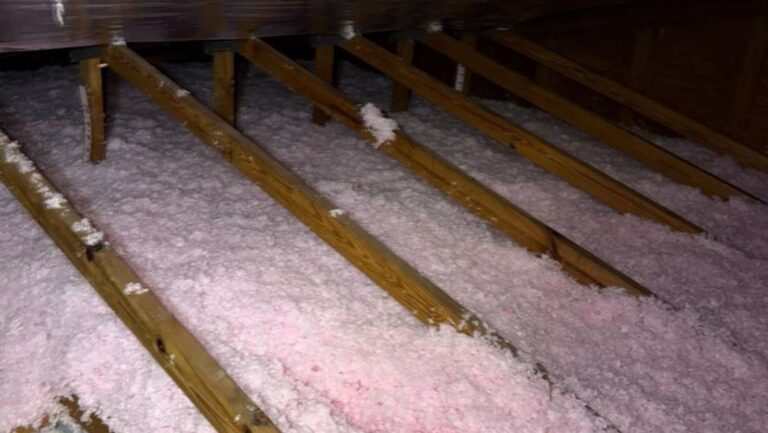
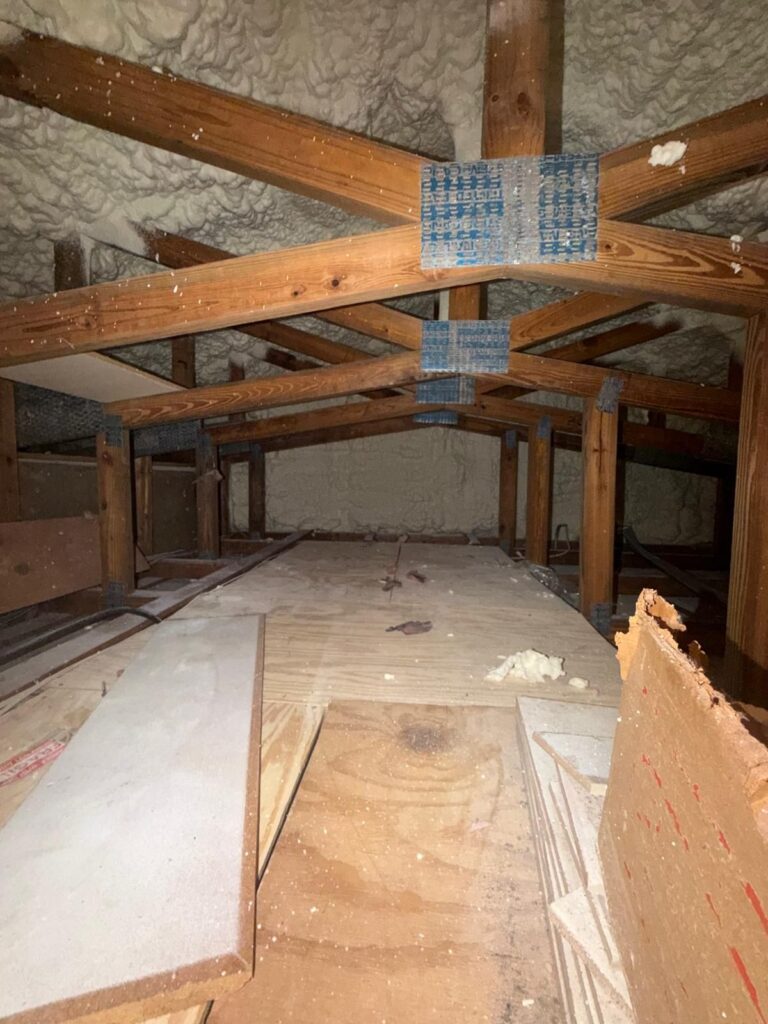
Blown-in insulation remains one of the most popular choices because it fills irregular spaces, covers wiring and plumbing without major gaps, and provides consistent thermal coverage across the attic floor. Batt insulation can be effective in open framing when installed correctly, while spray foam offers exceptional air sealing but generally requires a larger investment.
The right solution depends on the home’s construction, energy goals, and existing attic condition rather than selecting the least expensive material available.
Why Professional Evaluation Often Saves Money
Many homeowners focus exclusively on installation price instead of lifetime operating costs. A poorly insulated attic forces the HVAC system to work harder every day, increasing electricity consumption and shortening equipment lifespan.
Professionals such as Attic Fanatics evaluate the entire attic system instead of simply adding insulation. Air leakage, ventilation performance, moisture sources, insulation depth, and contamination are considered together because each affects overall efficiency. Addressing all contributing factors often delivers greater long-term savings than replacing insulation alone.
For homes throughout South Florida, investing in a properly designed insulation system helps maintain cooler indoor temperatures, reduces humidity-related problems, and creates a more comfortable living environment throughout the year.