Table of Contents
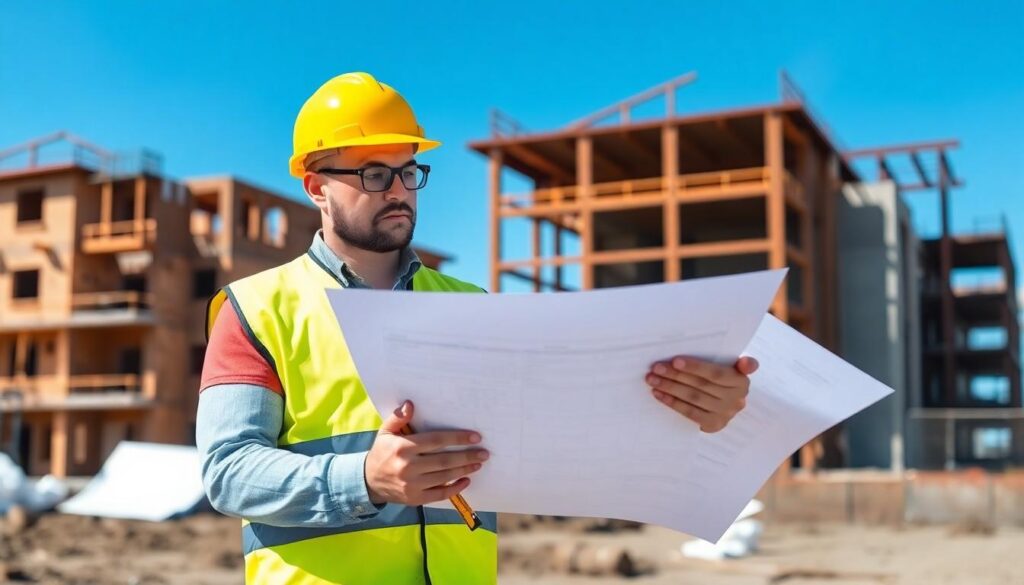
ToggleIn the bustling world of construction, where dreams are built brick by brick, there’s a secret squad of superheroes working behind the scenes: construction and building inspectors. Armed with hard hats and a keen eye for detail, these professionals ensure that every structure is not just a pretty façade but a safe haven for its occupants. Without them, your dream home could turn into a real-life episode of “Extreme Makeover: Code Violation Edition.”
Imagine a world where walls could talk—well, they can’t, but inspectors can! They decipher the language of blueprints, codes, and regulations, making sure everything is up to snuff. So, the next time you admire that shiny new building, remember the unsung heroes who made it possible. Dive in to discover the vital role they play in keeping our cities safe and sound.
Overview of Construction and Building Inspectors
Construction and building inspectors play a vital role in ensuring the safety and compliance of structures throughout the construction process. These professionals are essential for maintaining the integrity of buildings and creating secure living environments.
Role and Responsibilities
Construction and building inspectors assess compliance with building codes and regulations. They conduct site inspections at various stages, noting any deviations from approved plans. Inspectors evaluate structural integrity, electrical systems, plumbing, and overall safety features. Communication with contractors is crucial, as inspectors provide guidance on necessary corrections and improvements. It’s their responsibility to prepare detailed reports outlining findings and recommendations, ensuring all parties understand compliance expectations.
Importance in the Building Process
Inspectors significantly influence the building process by preventing safety hazards before they develop. They protect public welfare by identifying code violations and ensuring adherence to safety standards. Compliance with regulations supports project success and fosters trust between builders and clients. In addition, thorough inspections streamline the approval process, reducing costly delays. Ultimately, construction and building inspectors safeguard the wellbeing of occupants and enhance the longevity of structures.
Qualifications and Training
Construction and building inspectors require a solid foundation in education and professional credentials. Training pathways lead to success in ensuring compliance and safety in construction.
Educational Requirements
A high school diploma remains the minimum education requirement for most construction and building inspectors. Many opt for associate degrees in construction management or civil engineering technology for additional knowledge. Bachelor’s degrees significantly enhance job prospects, particularly for those pursuing advanced positions. Programs often include coursework in building codes, structural design, and safety regulations. Knowledge gained during education forms the basis for effective inspections.
Certification and Licensing
Certification strengthens an inspector’s credibility and marketability. Various organizations, such as the International Code Council (ICC), offer certification programs. Inspectors often pursue specialized certifications for residential or commercial building inspections. State regulations typically govern licensing requirements, necessitating passing exams and proving experience. Continuing education ensures inspectors stay updated on ever-changing codes and industry standards.
Tools and Technology Used
Construction and building inspectors rely on a variety of tools and technologies to perform their duties effectively.
Inspection Tools
Inspectors use essential tools to evaluate building conditions. Measuring tapes enable accurate distance assessments. Levels help determine surface flatness, while moisture meters detect potential dampness in materials. Thermographic cameras allow for heat signature analysis, revealing insulation issues or electrical faults. Additionally, the use of drones offers aerial site inspections, dramatically increasing efficiency. These tools enhance accuracy and contribute to the inspectors’ ability to ensure compliance with safety standards.
Software Solutions
Software solutions play a pivotal role in modern inspections. Inspection management software assists in organizing schedules and tracking projects. Digital reporting tools allow inspectors to create detailed, real-time reports that can be shared with stakeholders immediately. Building information modeling (BIM) software provides comprehensive visual representations of construction projects. These solutions streamline communication among teams and facilitate consistent documentation, leading to timely corrections and safety measures. Utilizing these technologies ensures inspectors maintain high standards throughout the construction process.
Challenges Faced by Inspectors
Inspectors encounter various challenges that can impact their effectiveness and job satisfaction.
Common Issues in Inspections
Conditions often arise during inspections that can complicate the process. Poor site access limits an inspector’s ability to evaluate crucial areas. Additionally, ambiguous building codes cause confusion about compliance expectations. Weather conditions can hinder inspection schedules and affect visibility. Inadequate documentation from contractors sometimes leads to misunderstandings about completed work. Communication breakdowns also frequently occur between contractors and inspectors, resulting in overlooked issues. Each of these factors contributes to potential delays and compromises in building safety.
Regulatory Changes
Regulatory changes represent a significant challenge for inspectors. New codes and guidelines frequently emerge, requiring inspectors to adapt quickly. Staying informed about these changes demands ongoing education and engagement with industry resources. Additional complexity arises from varying regulations across different jurisdictions, which can lead to inconsistencies in enforcement. Many inspectors need to balance the demands of rigorous inspections with the requirement to comply with constantly evolving standards. Navigating these dynamics ensures that they maintain public safety while fulfilling their responsibilities effectively.
Future Trends in the Industry
The construction and building inspection industry is rapidly evolving. Emerging trends are reshaping how inspectors perform their duties and ensuring safer structures.
Impact of Technology
Innovations in technology drive efficiency and accuracy in inspections. Drones provide aerial views of sites, making it easier to assess hard-to-reach areas. Mobile applications simplify reporting, allowing inspectors to document findings in real-time. 3D scanning technology enhances precision, creating accurate models of existing structures. Artificial intelligence assists in data analysis, identifying potential code violations before they escalate. These advancements help inspectors ensure compliance with safety standards and streamline communication with contractors.
Changes in Regulations
Regulatory changes are frequent and require inspectors to stay updated. New building codes often emerge in response to advancements in construction methods and materials. Flexibility in adapting to these codes becomes vital for maintaining safety. Jurisdictions increasingly implement stricter guidelines, reflecting a heightened focus on sustainability and energy efficiency. Training programs now emphasize knowledge of these evolving standards to enhance inspector qualifications. Continuous education protects public safety while fostering confidence among stakeholders in the construction industry.
Construction and building inspectors play an indispensable role in ensuring the safety and integrity of structures. Their expertise not only safeguards public welfare but also fosters trust between builders and clients. As the industry evolves with new technologies and regulations, inspectors must adapt and enhance their skills to maintain high standards. The commitment to ongoing education and the use of innovative tools will continue to shape the future of inspections. Recognizing the vital contributions of these professionals is essential for appreciating the complexities of the construction process and the importance of safe living environments.