Table of Contents
ToggleInterior design renovation goes beyond swapping throw pillows and paint colors. It’s the strategic overhaul of a home’s interior spaces to improve function, flow, and aesthetic appeal, often involving structural changes, layout reconfiguration, and significant material upgrades. Unlike simple decorating, renovation work can include removing walls, updating electrical systems, refinishing floors, and gutting kitchens or bathrooms. For homeowners looking to increase property value, improve livability, or finally fix long-standing layout problems, a well-planned interior renovation delivers measurable returns. But it also demands careful planning, realistic budgeting, and a clear understanding of what’s cosmetic versus what requires permits and professionals.
Key Takeaways
- Interior design renovation involves strategic structural and layout changes that go beyond decorating, requiring permits, professionals, and careful planning to increase property value and improve livability.
- Set a realistic budget that includes materials, labor, permits, and a 15–20% contingency for unexpected issues like hidden water damage or code upgrades.
- Assess the home’s existing structure before work begins by checking for moisture damage, outdated wiring, and hidden issues that could impact project costs and timelines.
- Plan lighting during the rough-in phase with layered solutions—ambient, task, and accent lighting—to avoid costly rewiring after drywall installation.
- Know when to hire licensed professionals for electrical, plumbing, and structural work rather than attempting DIY projects beyond your skill level to avoid code violations and expensive fixes.
- Choose timeless design elements for major investments like cabinetry and fixtures, reserving trendy choices for easily changeable items like paint and accessories.
What Is Interior Design Renovation and Why It Matters
Interior design renovation is the process of updating and transforming existing interior spaces through a combination of design planning and physical construction or modification. It typically involves changes to finishes, fixtures, layouts, and sometimes structural elements to achieve a specific design vision or functional improvement.
Unlike interior decorating, which focuses on furniture, fabrics, and accessories, renovation work often requires demolition, carpentry, electrical, and plumbing trades. Projects might include opening up a galley kitchen by removing a non-load-bearing wall, converting a dated bathroom with new tile and fixtures, or adding built-in storage throughout a home.
The value of interior renovation extends beyond aesthetics. Functional improvements like better kitchen workflow, additional storage, or improved natural light directly impact daily living. Renovations also address deferred maintenance issues, outdated electrical panels, worn flooring, inefficient HVAC systems, before they become costly emergencies. From a financial perspective, targeted interior updates often yield strong returns on investment, particularly in kitchens and bathrooms where buyers focus their attention.
Homeowners should distinguish between cosmetic updates and structural work early in planning. Painting, replacing cabinet hardware, or installing new light fixtures rarely require permits. Removing walls, relocating plumbing, adding circuits, or altering load-bearing structures almost always do. Local building codes, based on the International Residential Code (IRC) and National Electrical Code (NEC), govern what work requires inspection and licensing. Ignoring permit requirements can create problems during home sales or insurance claims.
Planning Your Interior Design Renovation Project
Successful renovations start with thorough planning, not impulse purchases at the home center. Before demolition begins, homeowners need a clear scope of work, a prioritized list of goals, and an honest assessment of the home’s existing conditions.
Start by identifying the primary problem the renovation will solve. Is the kitchen too small for meal prep? Does the bathroom lack storage? Is the layout chopping the main floor into awkward, disconnected rooms? Defining the core issue helps prevent scope creep and keeps decisions aligned with the original goal.
Next, assess the existing structure. Check for underlying issues like moisture damage, outdated wiring, or structural concerns that might be hidden behind walls. Hiring a home inspector or structural engineer for a pre-renovation assessment can prevent expensive surprises mid-project. Discovering knob-and-tube wiring or a sagging floor joist before the contractor opens walls allows for better budgeting and scheduling.
Document the current space with photos and measurements. Note the locations of electrical outlets, switches, plumbing fixtures, HVAC vents, and structural elements like studs and joists. Use a stud finder to map framing before planning new fixture locations. Understanding what’s behind the drywall saves time and reduces the risk of cutting into utilities.
Setting a Realistic Budget and Timeline
Budgeting for interior renovation requires more than adding up material costs. A realistic budget includes:
- Materials: Flooring, tile, cabinetry, countertops, fixtures, paint, trim, hardware
- Labor: Contractors, electricians, plumbers, HVAC technicians, painters
- Permits and inspections: Fees vary by jurisdiction but are non-negotiable for code compliance
- Contingency: Set aside 15–20% of the total budget for unforeseen issues like hidden water damage or code upgrades
Typical costs vary widely by region and material grade. A mid-range kitchen renovation might run $25,000–$50,000, while a bathroom remodel can range from $10,000–$30,000. Luxury finishes, custom cabinetry, and structural changes push costs higher. Always get multiple quotes and verify contractor licensing and insurance.
Timelines depend on project complexity. Painting and new flooring might take a week or two. A full kitchen gut requiring new plumbing, electrical, and cabinetry can stretch 6–12 weeks. Delays happen, material backorders, permit processing, weather affecting deliveries, so pad schedules by 20–30%. Homeowners living through renovations should plan for limited kitchen or bathroom access and coordinate temporary solutions.
Choosing the Right Design Style for Your Home
Design style should complement the home’s existing architecture and the homeowner’s daily needs, not just follow trends. A craftsman bungalow suits traditional or transitional interiors better than ultra-modern minimalism. A mid-century ranch works beautifully with clean lines and natural materials.
Popular interior styles in 2026 include:
- Modern Farmhouse: Shiplap, neutral palettes, natural wood, matte black fixtures
- Transitional: Blends traditional and contemporary elements: neutral with pops of color
- Industrial: Exposed brick, metal accents, open shelving, concrete or polished concrete floors
- Scandinavian: Light woods, white walls, minimal ornamentation, functional design
- Contemporary: Clean lines, bold contrasts, mixed materials like glass and steel
Choosing a style isn’t about copying magazine photos. It’s about identifying elements that fit the homeowner’s lifestyle. A family with young kids might prioritize durable, easy-clean finishes over delicate materials. Someone who cooks daily needs functional kitchen layout over aesthetic flourishes.
Test style choices with samples before committing. Order paint samples and apply them to multiple walls to see how light affects color throughout the day. Bring home tile, countertop, and flooring samples to view them in the actual space. What looks perfect in a showroom under commercial lighting can read completely different in a home with north-facing windows.
Consistency matters, but it doesn’t mean every room must match. Flooring, trim profiles, and door hardware should create visual continuity throughout the home, while individual rooms can express variation within the overall palette.
Essential Elements to Consider in Your Renovation
A successful interior renovation balances multiple elements: layout, lighting, materials, storage, and finishes. Neglecting any one can undermine the entire project.
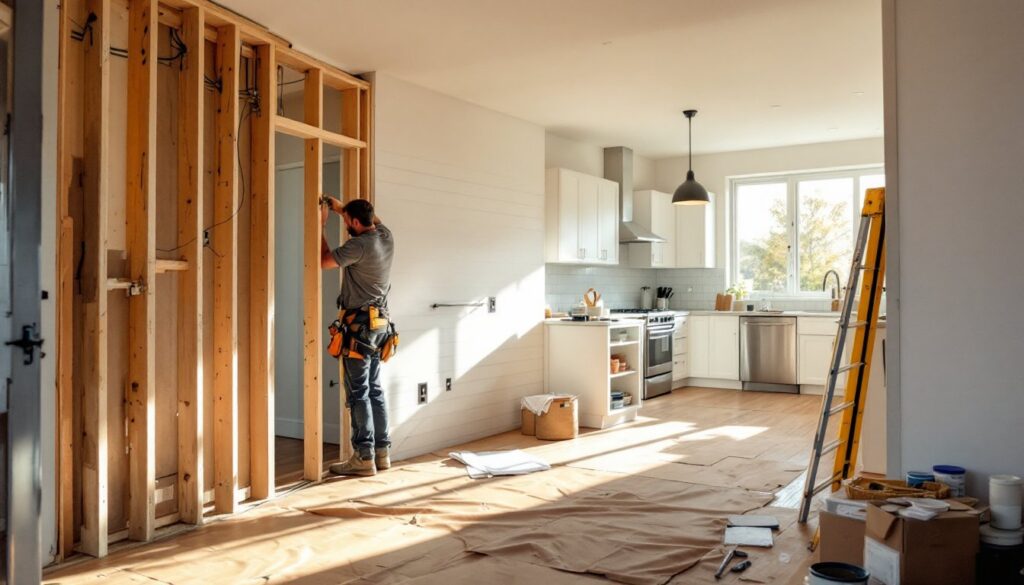
Layout and flow come first. Open floor plans remain popular, but removing walls isn’t always the answer. Load-bearing walls require engineered beams and proper support, consult a structural engineer before cutting into any wall running perpendicular to floor joists. Non-load-bearing walls can often be removed with a reciprocating saw and basic framing knowledge, but electrical, plumbing, and HVAC lines inside walls must be relocated by licensed trades.
Lighting transforms spaces. Layer three types: ambient (overhead fixtures, recessed cans), task (under-cabinet strips, vanity lights), and accent (picture lights, toe-kick LEDs). Plan for adequate electrical circuits, kitchens need at least two 20-amp circuits for countertop outlets per NEC standards. Dimmer switches add flexibility and are easy retrofits on most fixtures.
Material selection impacts durability and maintenance. For high-traffic areas, choose luxury vinyl plank (LVP) or engineered hardwood over solid hardwood, which dents and scratches more easily. In wet areas like bathrooms, porcelain tile outperforms natural stone for water resistance and stain protection. Countertops see daily abuse, quartz offers durability without sealing, while granite and marble require periodic maintenance.
Storage solutions should be built in during renovation, not added later. Floor-to-ceiling cabinetry maximizes vertical space. Drawer organizers, pull-out pantry shelves, and corner lazy Susans improve accessibility. Custom built-ins cost more upfront but deliver long-term value and functionality.
Finishes tie everything together. Trim profiles, door styles, cabinet hardware, and fixture finishes should coordinate. Mixing metals is acceptable, brushed nickel faucets with matte black cabinet pulls, but keep it intentional, not random.
Working with Interior Designers vs. DIY Approaches
Deciding between hiring professionals and tackling renovation work independently depends on project scope, skill level, budget, and time availability.
Professional interior designers bring expertise in space planning, material selection, and trade coordination. They can produce detailed drawings, source specialty materials, and manage contractor relationships. For complex projects involving structural changes, custom cabinetry, or high-end finishes, a designer prevents costly mistakes and often saves money through trade discounts and efficient planning. Designers typically charge hourly rates ($100–$300/hour), flat fees, or a percentage of project costs (10–20%).
Interior decorators focus on furniture, fabrics, and accessories without the technical training for space planning or construction oversight. They’re a good fit for cosmetic updates after the construction work is complete.
DIY renovation works well for motivated homeowners with basic carpentry, electrical, and plumbing knowledge. Projects like painting, installing trim, replacing fixtures, laying flooring, and tiling are manageable with research, patience, and the right tools. YouTube tutorials and manufacturer instructions have improved dramatically, but they can’t replace hands-on experience.
Know when to call a pro:
- Electrical work beyond replacing fixtures or switches requires a licensed electrician in most jurisdictions
- Plumbing modifications, especially drain lines and gas connections, need licensed plumbers
- Structural changes to load-bearing elements require engineering and permits
- HVAC work involves refrigerants and ductwork best left to certified technicians
Hybrid approaches are common. A homeowner might handle demolition, painting, and finish carpentry while hiring electricians and plumbers for rough-in work. This saves labor costs on unskilled tasks while ensuring code compliance on technical work.
Common Mistakes to Avoid During Your Renovation
Even well-planned renovations can go sideways. Recognizing common pitfalls helps homeowners avoid expensive do-overs.
Skipping permits. Unpermitted work can void insurance, complicate home sales, and result in fines. Permits aren’t just bureaucratic hassle, they trigger inspections that catch dangerous or code-violating work before it’s hidden behind walls. If the work involves electrical, plumbing, structural changes, or square footage additions, assume it needs a permit.
Ignoring prep work. Poor surface preparation causes paint to peel, tile to crack, and flooring to fail prematurely. Clean surfaces thoroughly, prime properly, allow materials to acclimate to room temperature and humidity, and follow manufacturer instructions for substrate requirements. Rushing prep to get to the “fun part” guarantees poor results.
Underestimating material quantities. Always order 10–15% extra for tile, flooring, and wallpaper to account for cuts, waste, and future repairs. Dye lots vary, so buying extra from the same batch prevents color mismatches down the road.
Choosing trendy over timeless. Bold wallpaper and statement tile can date quickly. Save trends for easily changed elements like paint and accessories. Stick with classic profiles for trim, neutral palettes for big-ticket items like cabinetry, and standard fixture finishes that won’t look ridiculous in five years.
Poor lighting planning. One ceiling fixture per room isn’t adequate. Plan lighting during the rough-in phase when running new wire is straightforward, not after drywall is installed.
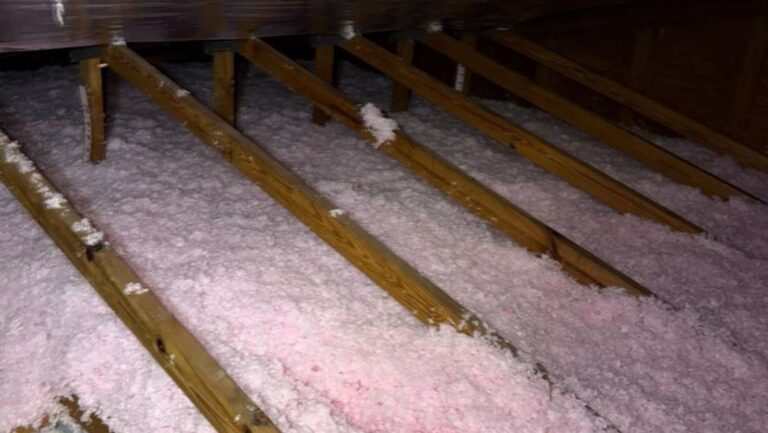
Forgetting ventilation. Bathrooms and kitchens need proper ventilation to prevent mold and moisture damage. Install exhaust fans rated for the room size (measure in cubic feet per minute, or CFM) and vent them to the exterior, not into the attic.
DIYing beyond skill level. Confidence is good: overconfidence is expensive. If a task feels over your head, hire it out. The cost of fixing botched electrical or plumbing work far exceeds the cost of hiring a pro from the start.
Interior design renovation transforms homes, but success depends on thoughtful planning, realistic budgets, quality materials, and knowing when to call in professionals. Take time to plan, don’t skip the boring prep work, and prioritize function alongside aesthetics. The result will be a space that works better and looks great for years to come.